




Top

Search

Leading Industrial Manufacturing Solution Provider

Leading Industrial Manufacturing Solution Provider

One-Stop Processing

Processing Services - Machining
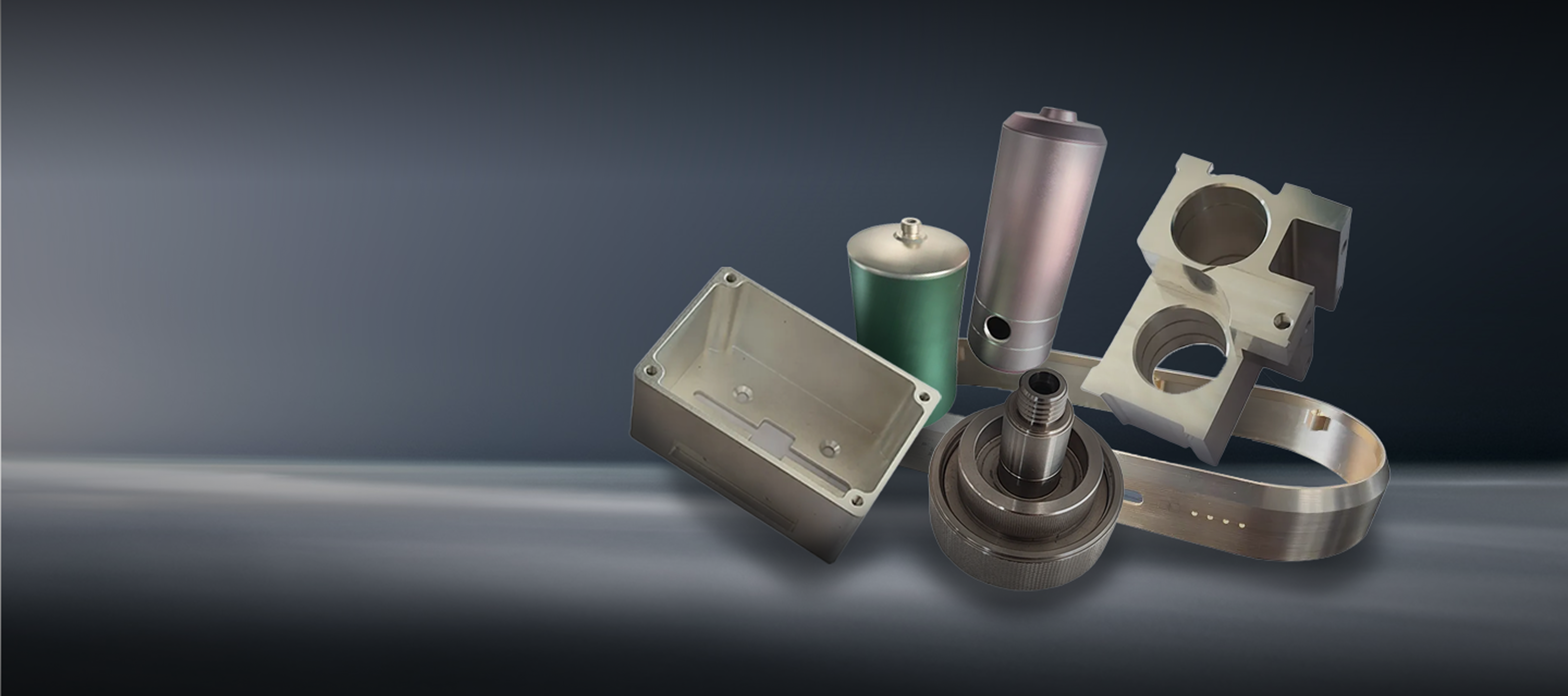
Creating one-stop manufacturing solutions from metal sheets to precision parts. Many successful products and projects often require close collaboration between core metal processes. Therefore, we integrate specialized sheet metal and machining capabilities to form a powerful technical synergy, ensuring your design is realized from drawing to finished product.
Home > Processing Services
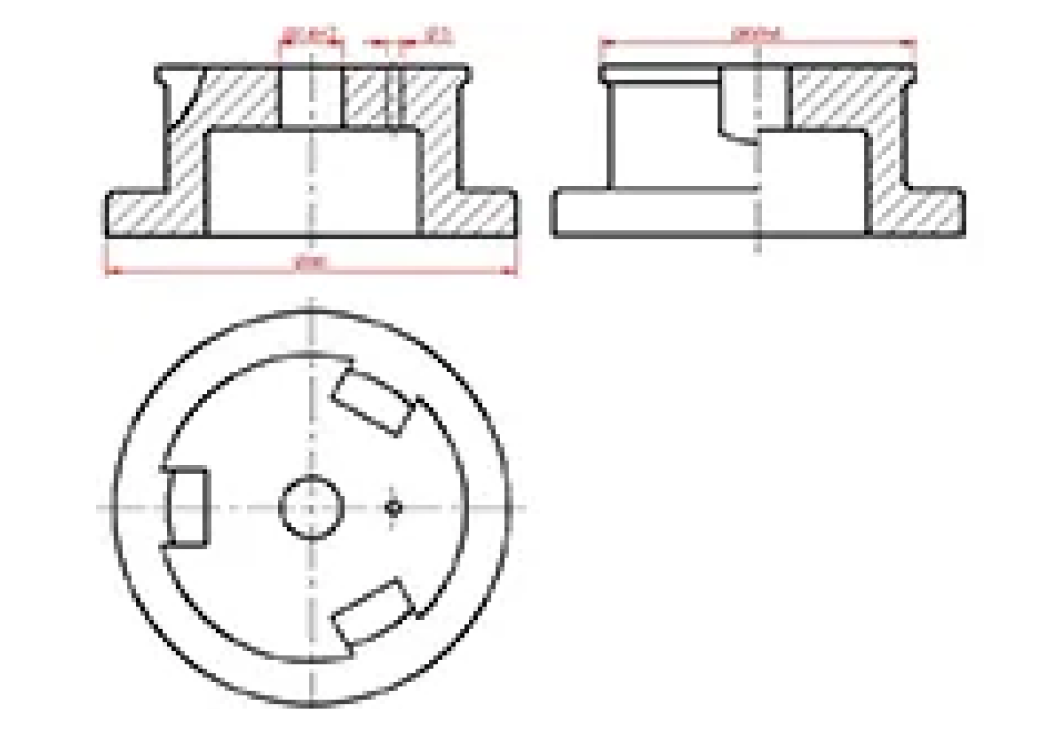
Design Drawings
Professional Design Team, Precise Technical Solutions
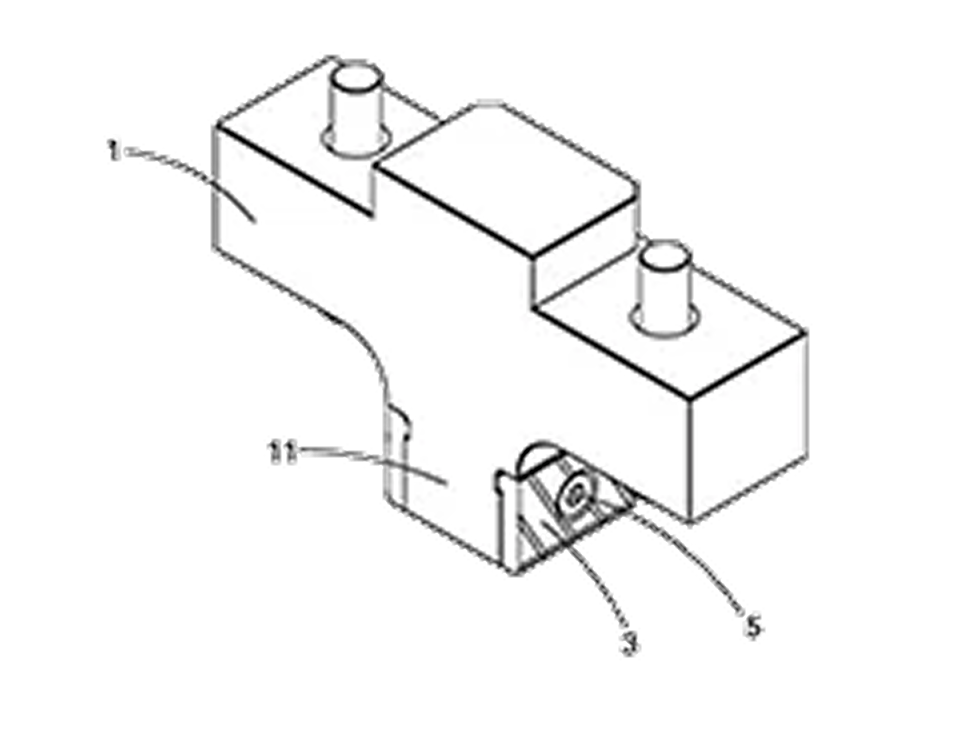
Provides customized sheet metal or machining design solutions based on customer needs and application scenarios, ensuring optimal space utilization and safety performance.

Upload Drawings

You can upload various types of design drawings, such as 2D or 3D. We will respond within 2-8 hours!
Material Selection
High-quality materials, outstanding performance

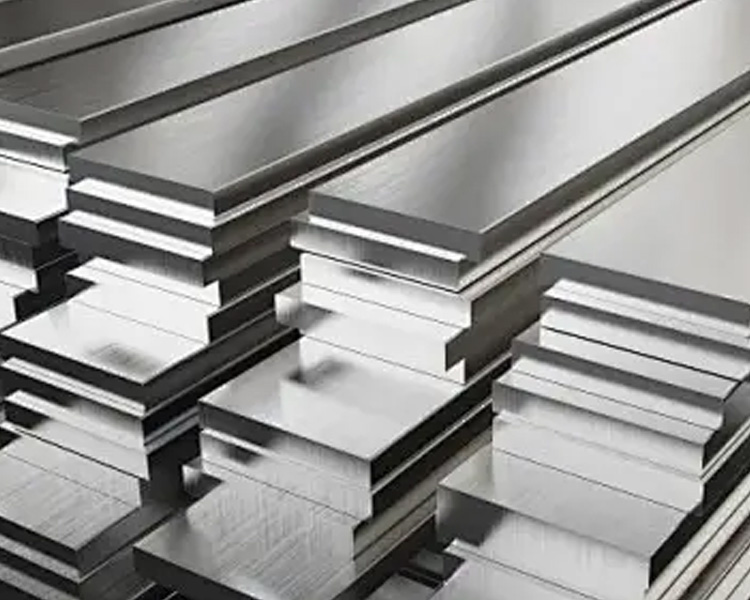
Aluminum

· Aluminum is lightweight, strong, and easy to process, making it suitable for various applications such as aerospace and automotive parts. Its corrosion resistance also enhances its appeal in outdoor projects and structural components.

Copper

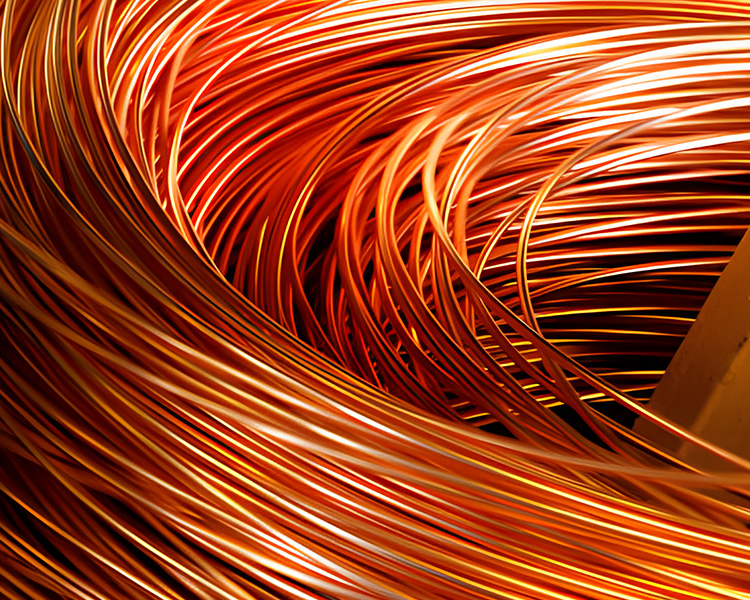
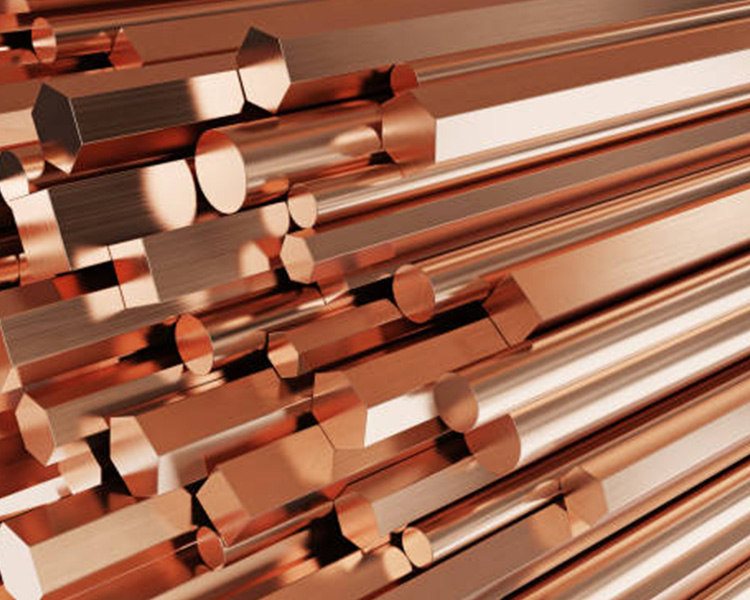
· Copper has high conductivity and malleability, making it the preferred choice for wires and pipes. Its natural antibacterial properties make it ideal for medical applications, while its aesthetic qualities suit decorative items and artworks.

Bronze

· Bronze is an alloy of copper and tin, known for its durability and corrosion resistance. Its high strength and ability to withstand harsh environments make it widely used in marine applications, sculptures, and bearings.

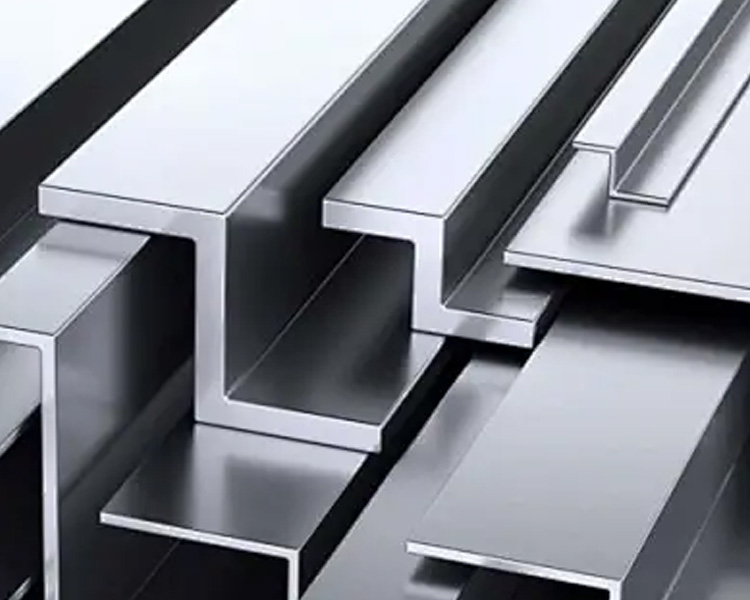
Steel Plate

· Steel is a strong and versatile material used extensively in construction and manufacturing. Its high tensile strength makes it suitable for structural components, and various subtypes enhance its performance for specific applications like tools and machinery.

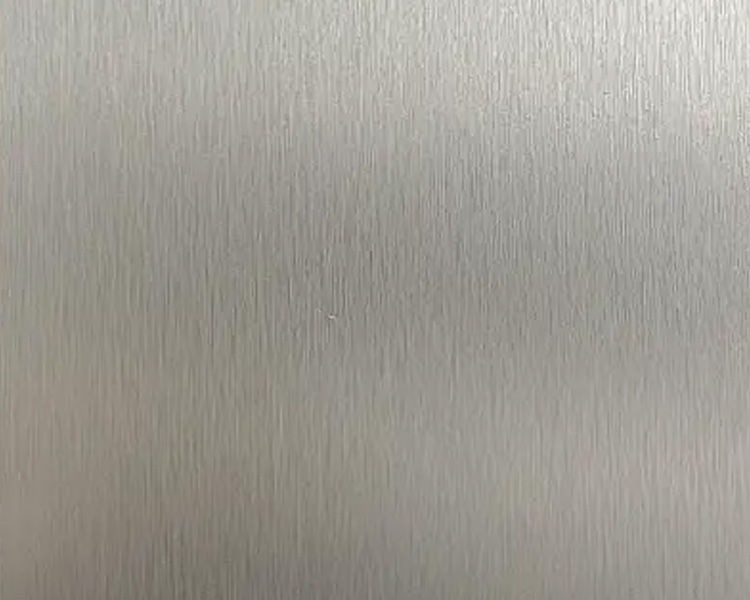
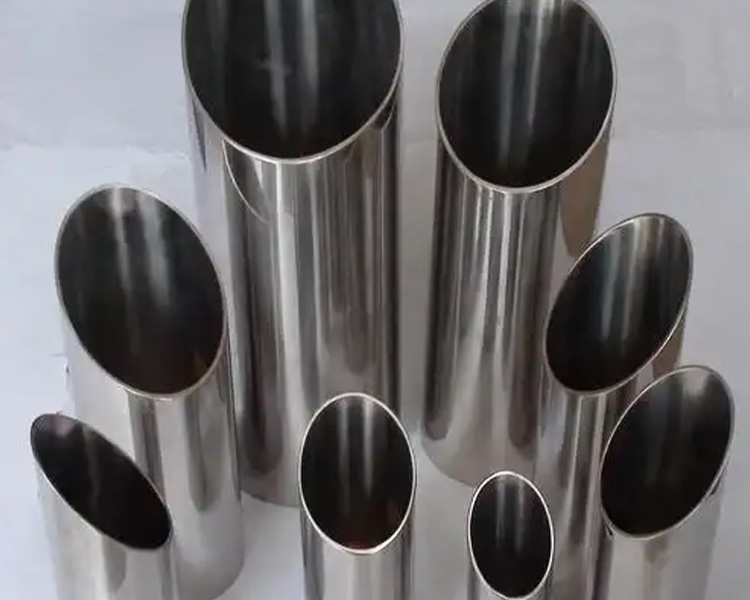
Stainless Steel

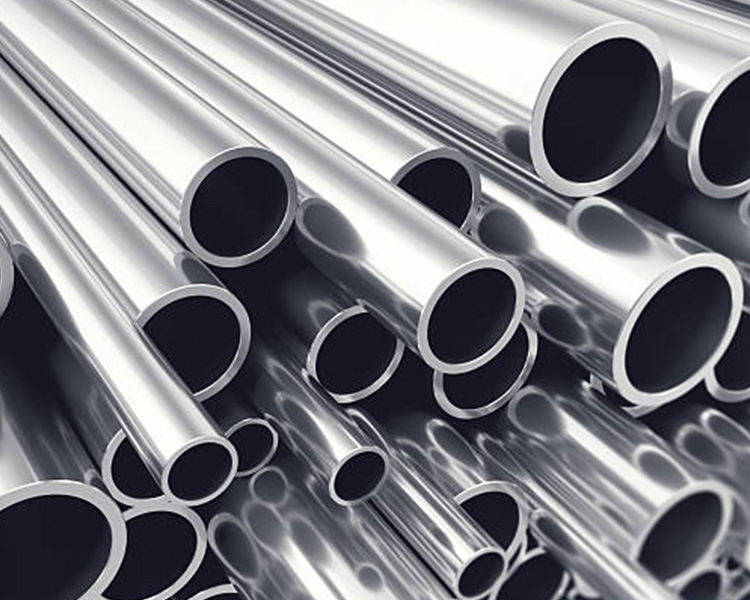
· Stainless steel is ideal for kitchenware and medical devices due to its rust and stain resistance. Its strength and aesthetic appeal also make it a popular choice in architectural design and automotive parts.

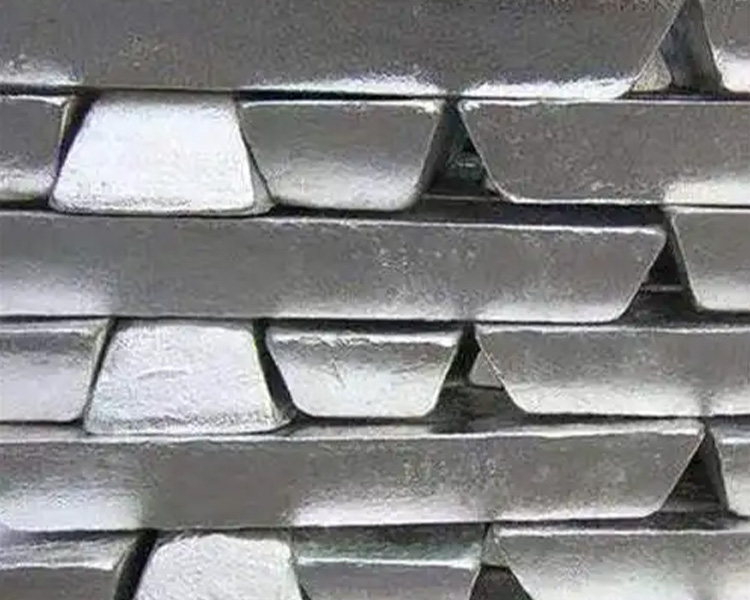
Magnesium

· Magnesium is lightweight yet strong, commonly used in aerospace and automotive sectors where weight reduction is crucial. Its machinability allows for complex shapes, and it is also used in various electronic devices due to its excellent conductivity.

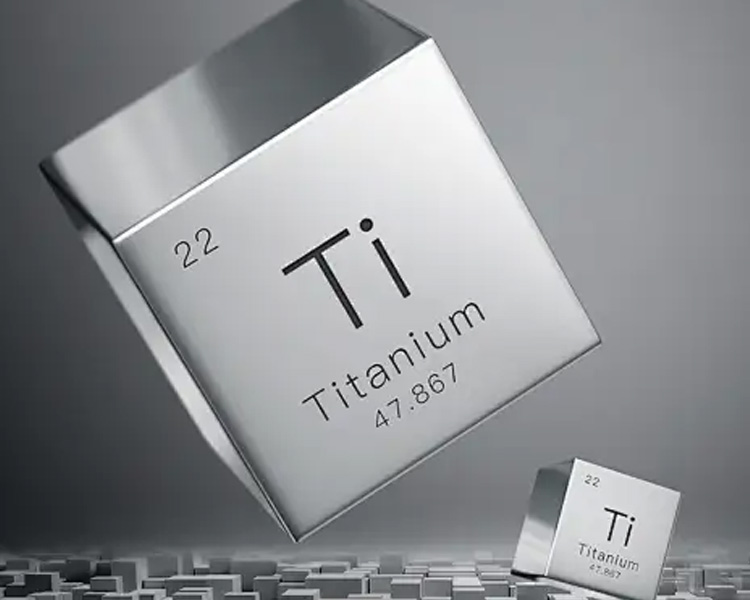
Titanium

· Titanium is a strong and lightweight metal, ideal for aerospace and medical implants. Its corrosion resistance and biocompatibility make it promising for harsh environments, and its high strength-to-weight ratio suits various industrial applications.

Tool Steel

· Tool steel is a high-hardness, wear-resistant, and high-heat-strength alloy steel specially used for manufacturing tools. It is widely applied in molds, cutting tools, stamping dies, and precision mechanical parts. Tool steel can be categorized into cold work, hot work, and high-speed tool steels based on its application.

Alloy Steel

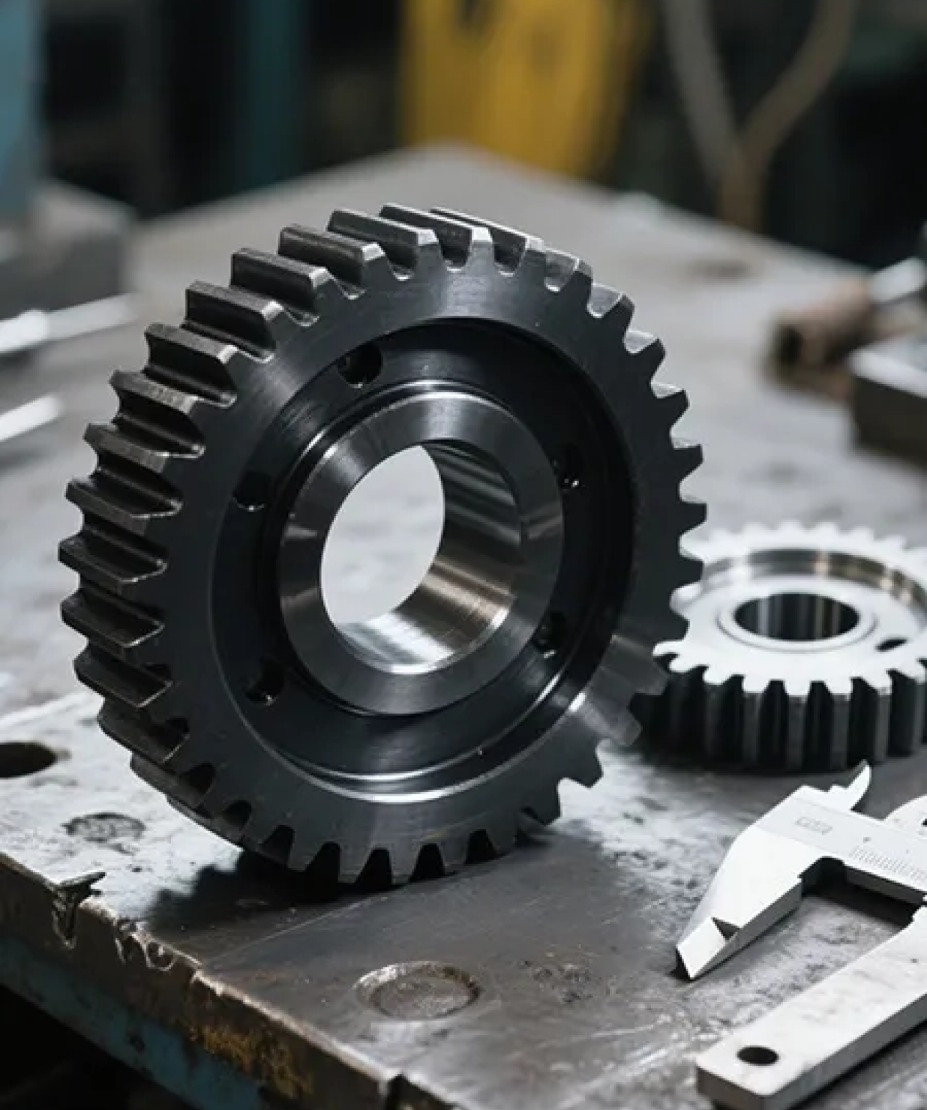
· Alloy steel is made by adding one or more alloying elements (such as chromium, nickel, molybdenum) to carbon steel to enhance its strength, toughness, wear resistance, and corrosion resistance. It is widely used in structural components, machinery parts, gears, and high-strength bolts, suitable for high loads and harsh environments.

Aluminum

Copper

Bronze

Steel Plate

Stainless Steel

Magnesium

Titanium

Tool Steel

Alloy Steel
Surface Treatment
Surface Treatment
Surface Treatment
Surface Treatment
Surface Treatment
Surface treatment processes that meet diverse application needs
01
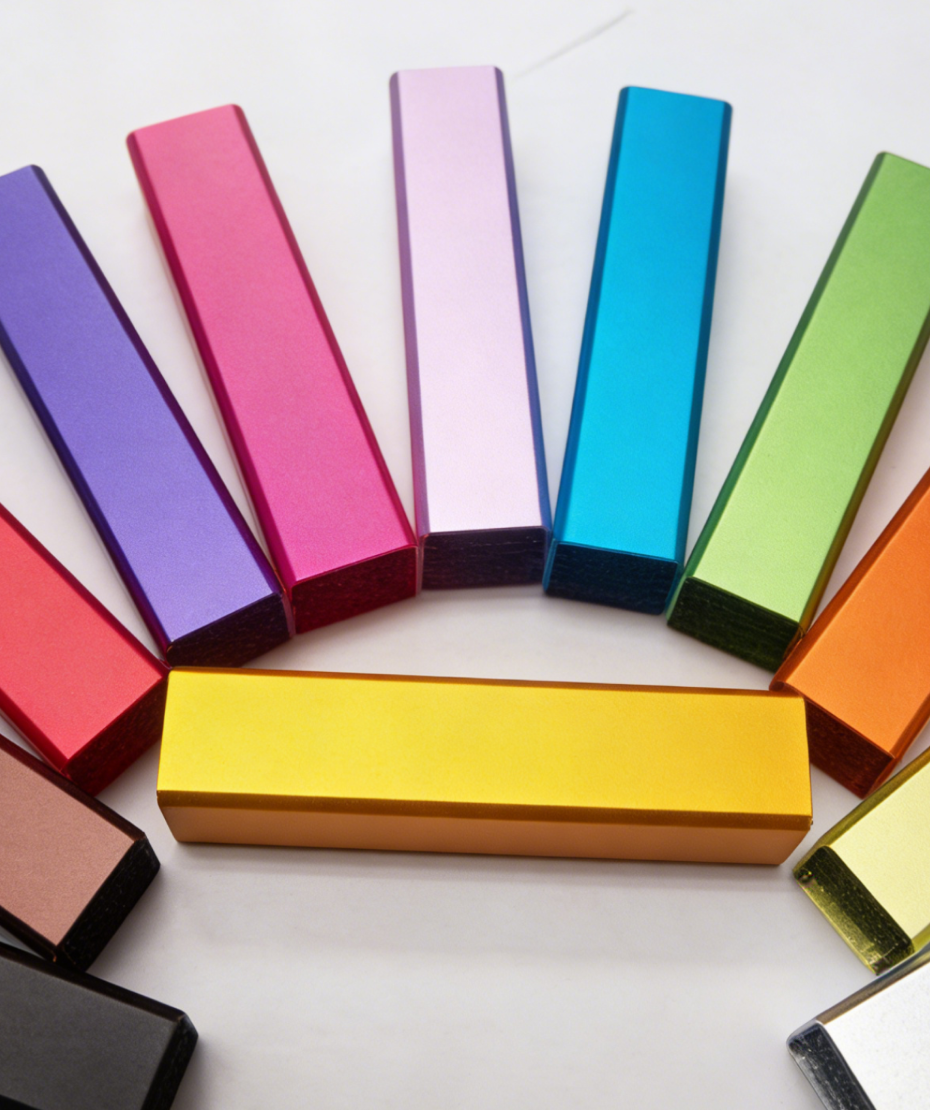
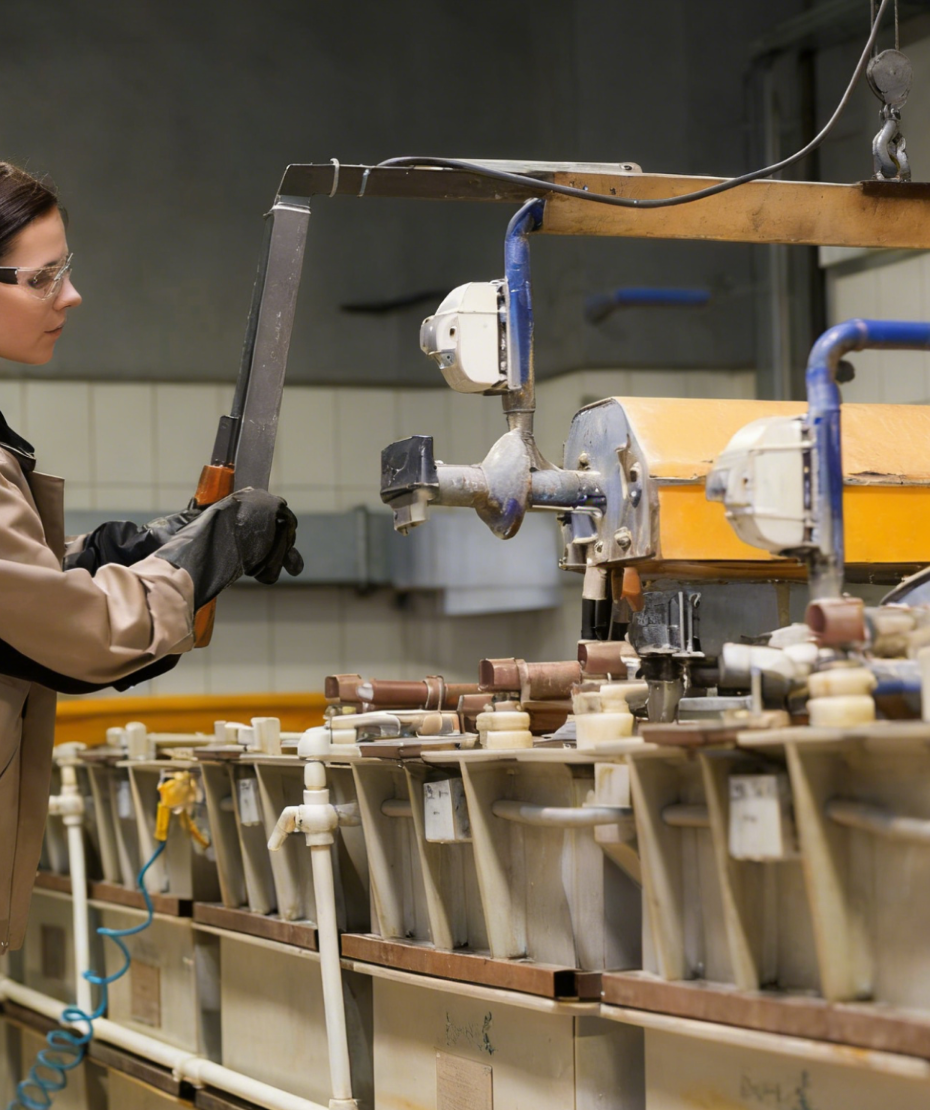
Anodizing
An electrochemical process that forms a dense oxide film on the surface of aluminum or titanium alloys, classified into Type II (decorative, thickness 4-25μm) and Type III (hard, thickness up to 125μm).
Treatment Colors: Supports dyeing in transparent, black, gold, red, blue, and more, with diverse color options.
Effects Description: Enhances corrosion resistance, hardness, and wear resistance; the surface is smooth and non-conductive. Type III is suitable for high-strength applications (e.g., aerospace), while Type II is mainly for decorative purposes.
02
Electroplating
Deposits a layer of other metals (such as chromium, nickel, copper, gold, etc.) on the metal surface to enhance functionality or aesthetics.
Treatment Colors: Chrome (silver-white), nickel (silver-white), copper (pink/gold), tin-cobalt (light rose), copper-tin alloy (pink/gold/silver-white).
Effects Description: Improves corrosion resistance, conductivity, or magnetism; the surface is smooth and can be multilayered. Tin-cobalt alloy is suitable for complex parts, while copper-tin alloy provides both decoration and protection.
03
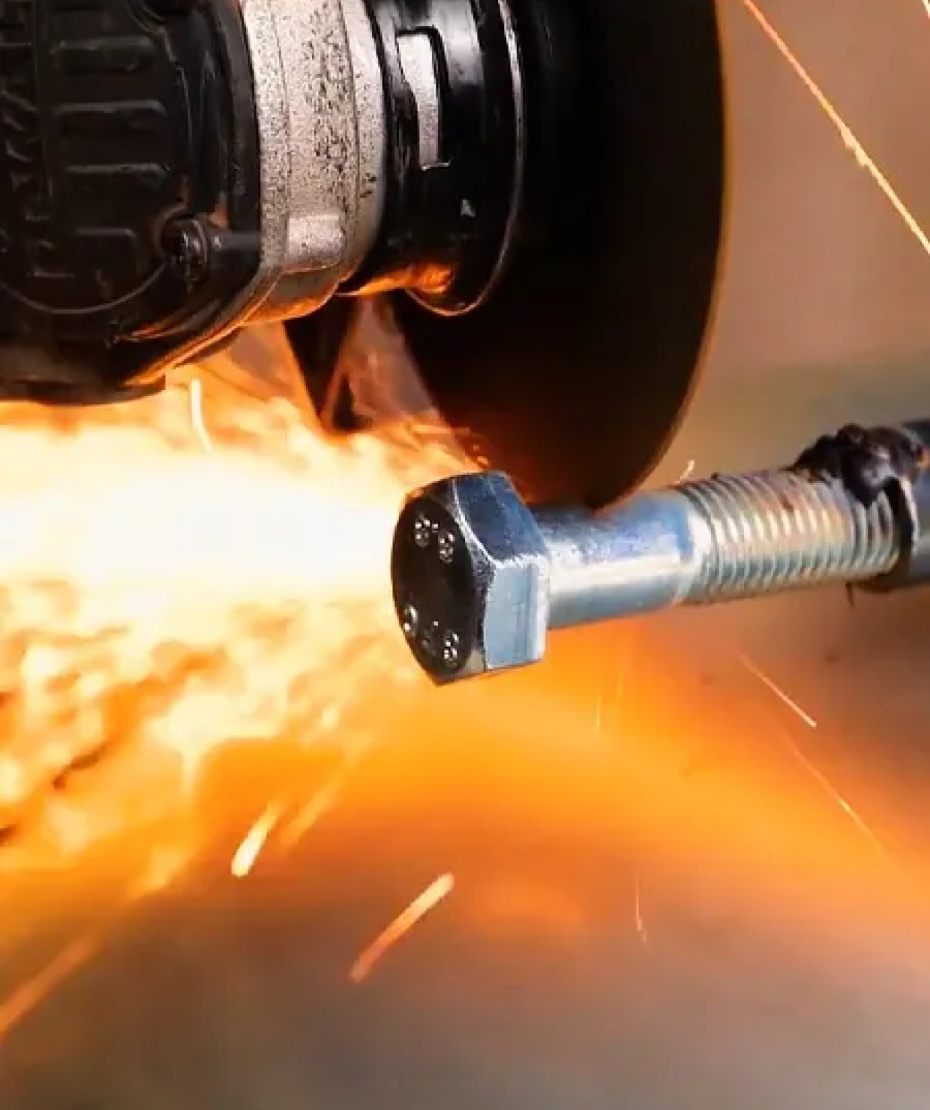
Sandblasting (Shot Peening)
Forms a matte or satin finish by high-speed jetting glass beads or corundum, a mechanical treatment.
Treatment Colors: Maintains the original color of the substrate; requires subsequent treatments (e.g., anodizing) for color effects.
Effects Description: Removes tool marks and burrs, increases surface roughness or uniform texture, purely visual improvement without chemical protection.
04
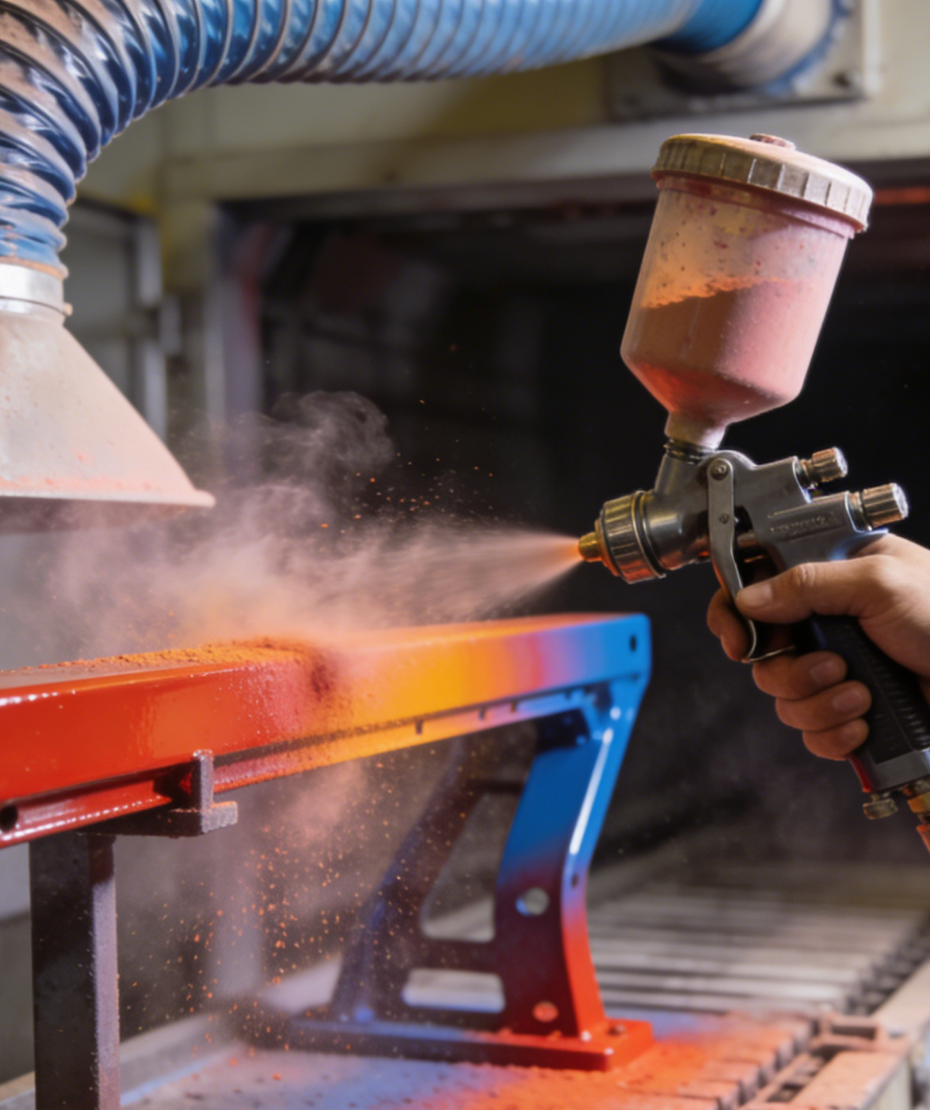
Powder Coating
Electrostatically sprays dry powder and cures at high temperatures to form a protective layer, compatible with all metals.
Treatment Colors: Supports various color customizations with strong coverage.
Effects Description: Wear-resistant and impact-resistant, suitable for outdoor or military equipment, but the coating is thick (18-72μm), which may affect tolerances.
05
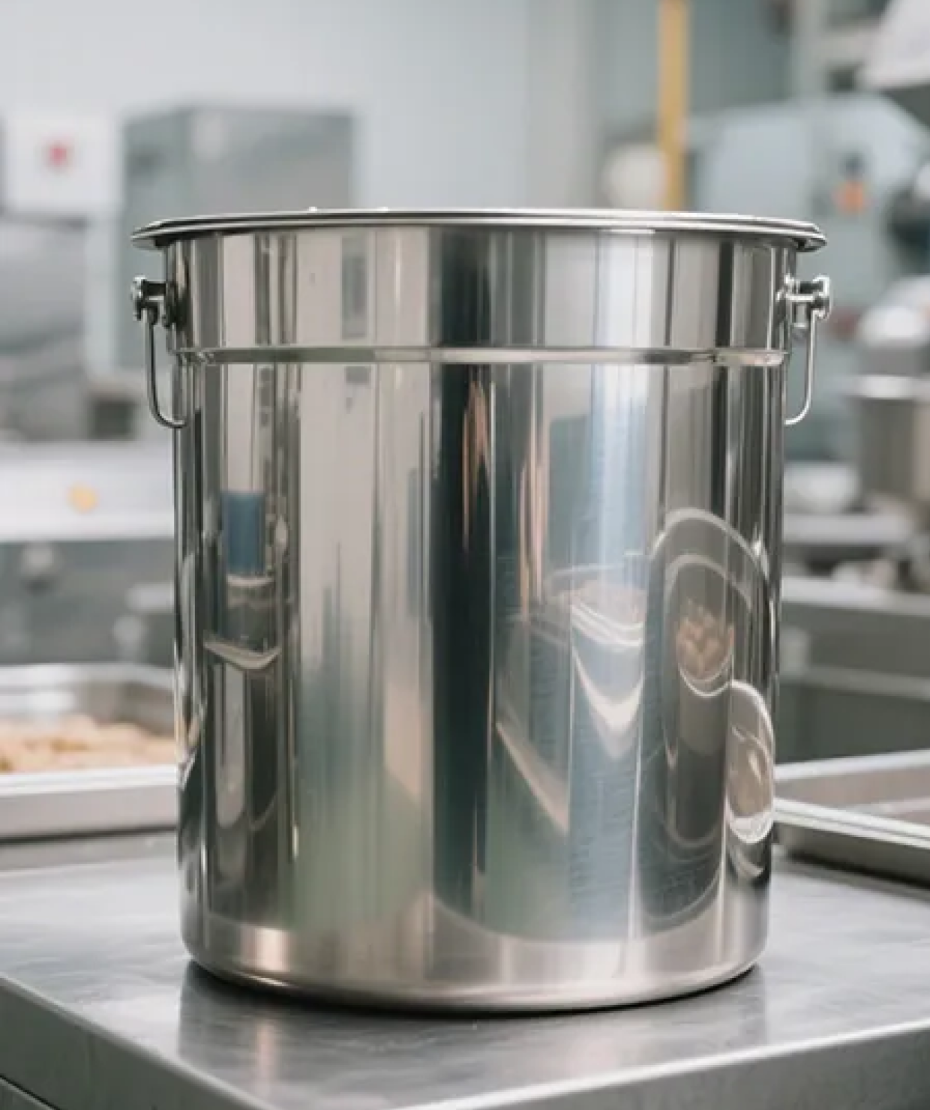
Passivation
Removes iron impurities through acid pickling (nitric acid/citric acid) to form a chromium/nickel protective layer, mainly for stainless steel.
Treatment Colors: Maintains the original color of the metal or slight discoloration, no dyeing function.
Effects Description: Rust-proof, improves cleanliness, suitable for medical and food equipment, does not add thickness.
06
Chemical Nickel Plating
Deposits a nickel-phosphorus alloy layer on the surface through a chemical reduction reaction, providing uniform coverage on complex structures.
Treatment Colors: Silver-white, hardness can be adjusted through heat treatment.
Effects Description: High hardness and wear resistance, suitable for precision parts (e.g., medical devices), but cost is relatively high.
07
PTFE Coating
Coats with Teflon material to form a non-stick, low-friction surface, suitable for high-temperature environments.
Treatment Colors: Mostly black or gray, limited color choices.
Effects Description: Resistant to chemical corrosion, good insulation, but durability is lower than other coatings, and cost is higher.
08
Polishing
Mechanical or chemical grinding to achieve a mirror-like smooth surface, commonly used on stainless steel, aluminum, and brass.
Treatment Colors: Retains the original metal color, enhances gloss.
Effects Description: Improves aesthetics, reduces friction, but labor-intensive and difficult for complex geometries.
09
Oxidation Coloring
Applies color through dyeing or electrolytic processes after anodizing, specifically for aluminum.
Treatment Colors: Customizable in various colors (e.g., antique bronze, gold, blue), vibrant hues.
Effects Description: Combines the protective and decorative qualities of anodizing, suitable for lighting fixtures and electronic product casings.
10
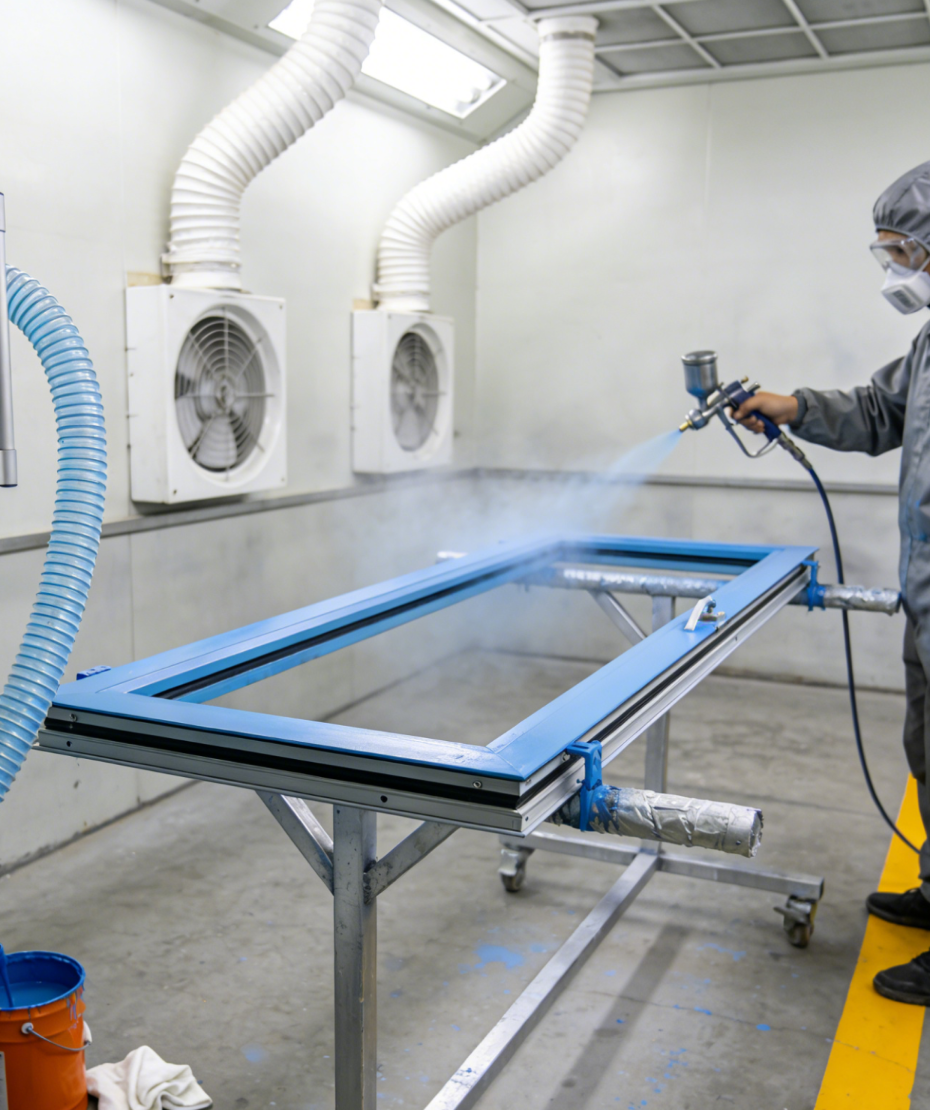
Painting/Spray Coating
Sprays liquid coatings that cure to simulate anodizing effects, suitable for metals and plastics.
Treatment Colors: Realistic colors that can mimic metal textures.
Effects Description: Scratch-resistant and colorfast, but requires high-temperature curing, and plastic parts may deform.
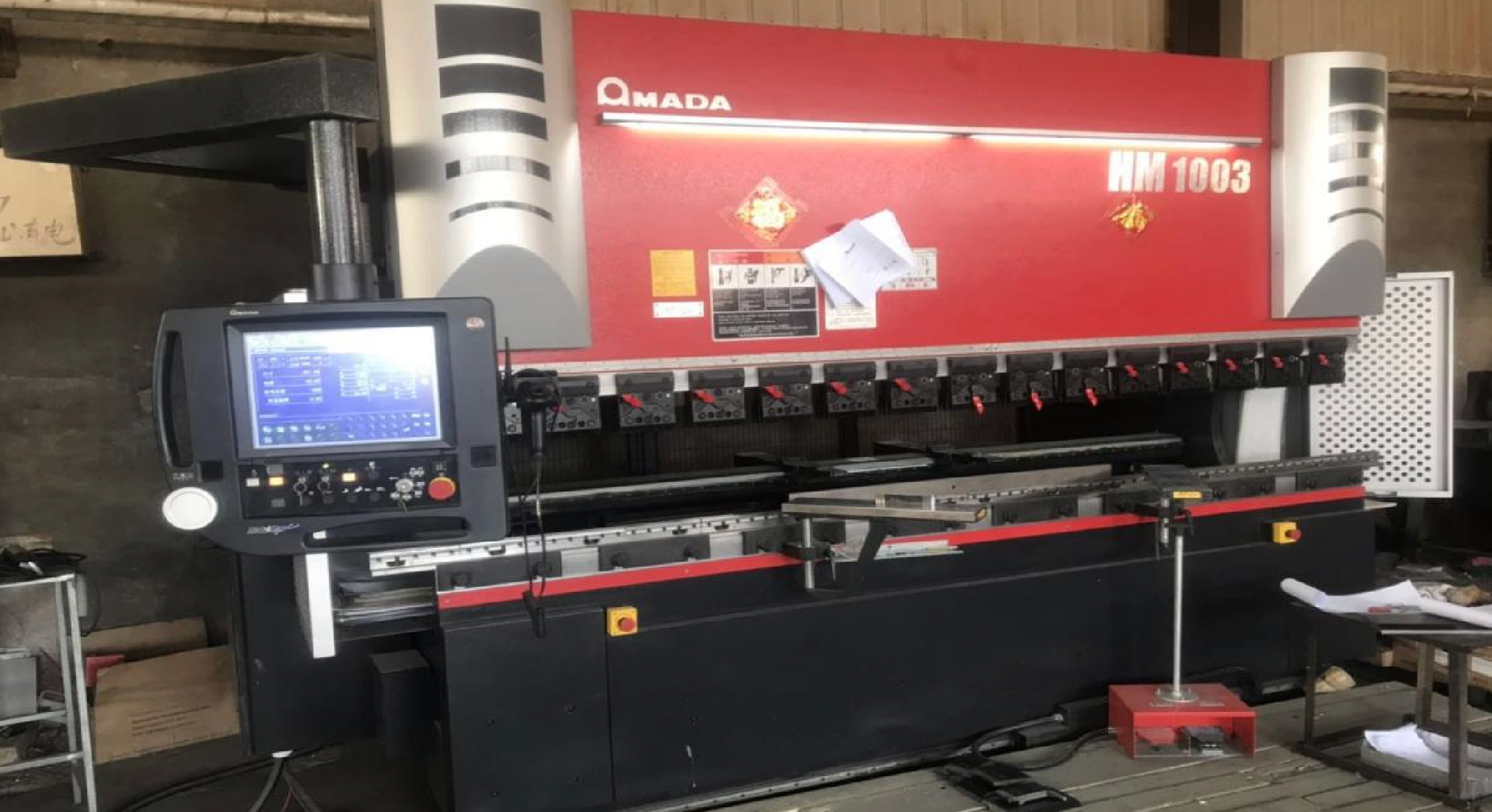
Machining Processing
01

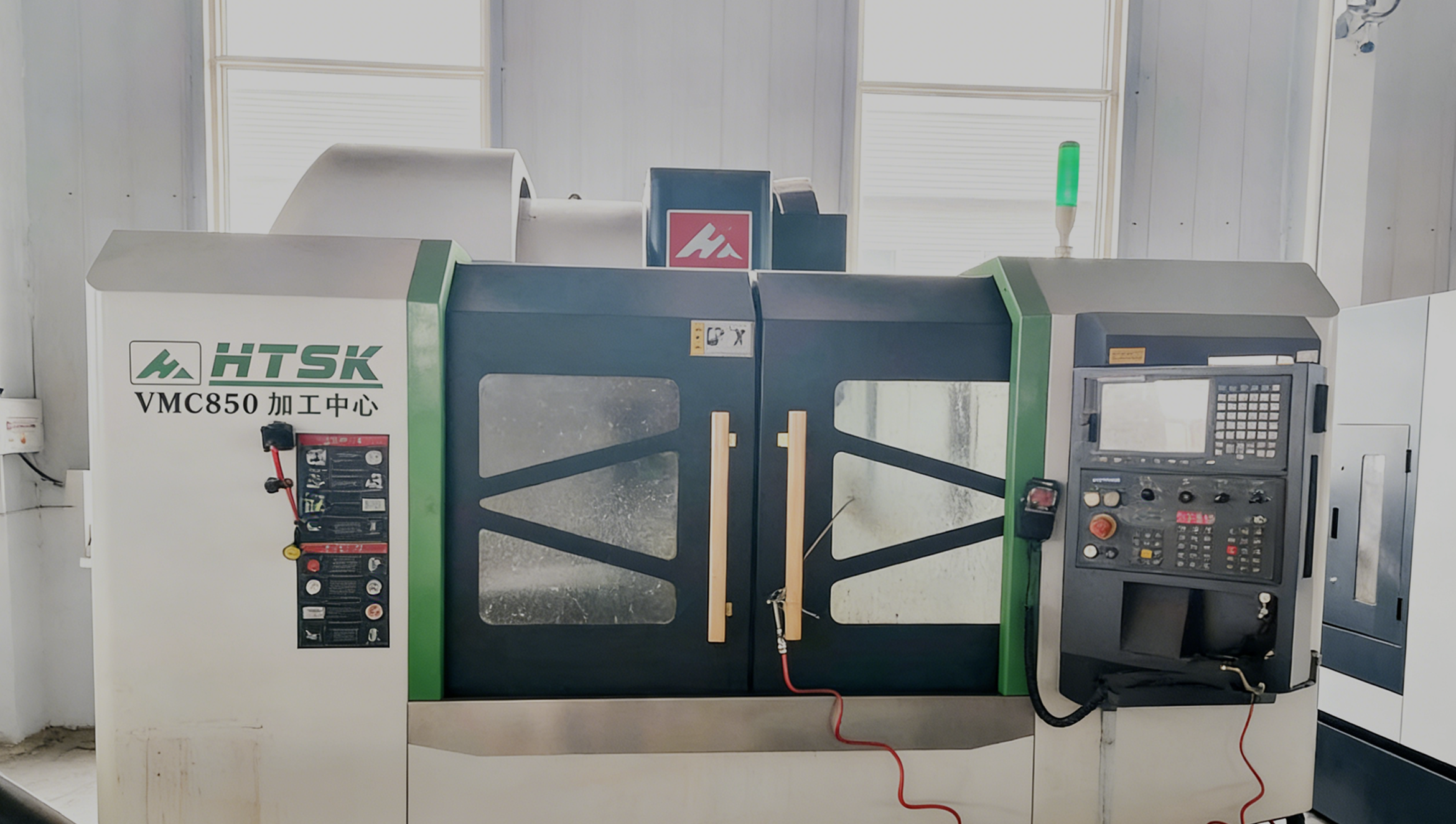
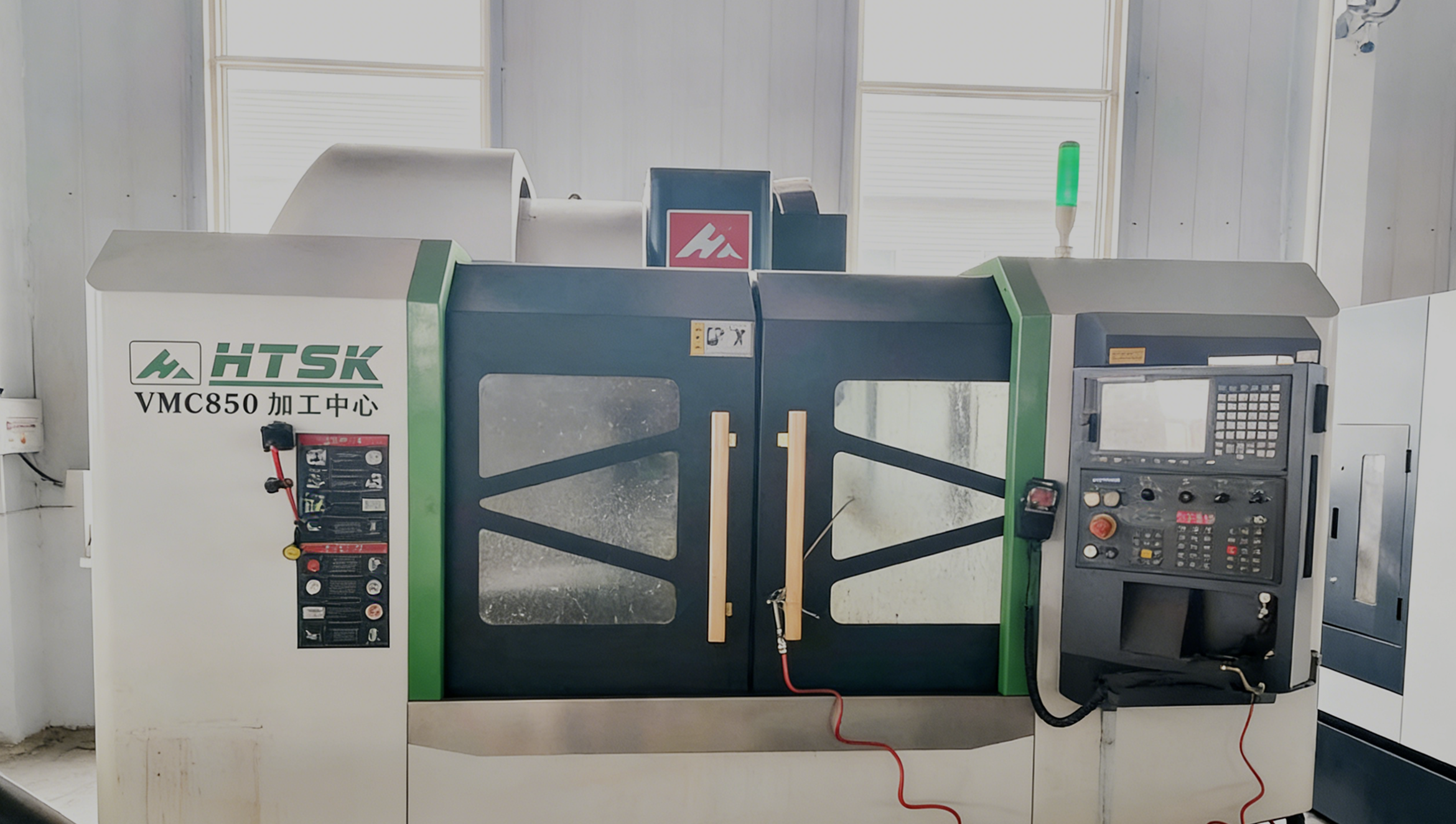
Three-Axis Machining Center

A three-axis machining center is a common high-precision CNC milling machine where the table and spindle move in X, Y, and Z directions, enabling efficient machining of flat and three-dimensional profiles.

Basic operations include face milling, drilling, tapping, chamfering, and slotting; suitable for parts requiring high precision in hole positions or profile control; high machining accuracy and good repeatability, ideal for mass production.

02

Four-Axis Machining Center

A four-axis machining center adds a rotational axis to the three-axis design, allowing the workpiece to rotate automatically for multi-surface machining, improving precision and efficiency.

Can perform all three-axis operations while facilitating multi-surface machining; suitable for parts that require drilling, tapping, and milling on multiple faces; flexible programming adapts to complex shapes or irregular parts.
03

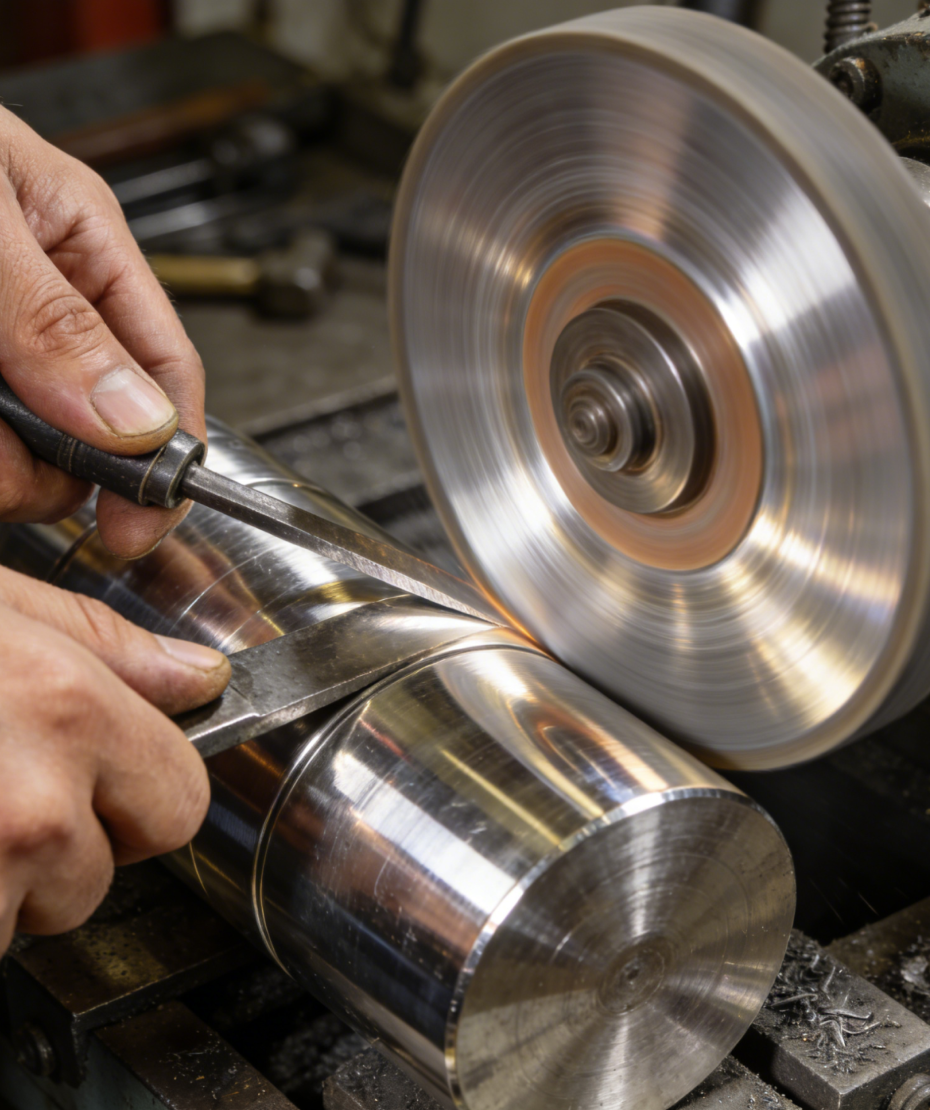
CNC Lathe

A CNC lathe is a high-precision machine used for machining rotating parts, where the tool moves in the X-axis (radial) and Z-axis (axial) direction, completing automatic turning processes through program control.

Suitable for batch processing of shafts, rings, and sleeves; capable of machining diameters up to φ500mm and lengths within 800mm.

Processing Cases

Quick-Disconnect Connector

Aluminum Sensor Housing

Machined Aluminum Parts

Aluminum Frame

Aluminum Bracket

Tailgate Hinge

Smart Aluminum Enclosure

Machined Sensor Housing

Resistor Stretch-Formed Housing

Machined Parts

Machining of Copper Parts

Frequently Asked Questions
Common Questions

Q

How to select the appropriate machining method in mechanical processing?

In machining, the selection of an appropriate processing method depends primarily on the workpiece's shape, dimensions, material type, and production requirements. Common machining methods include turning, milling, drilling, and grinding, each with its own specific scope of application. For instance, turning is suitable for rotationally symmetrical workpieces, milling is ideal for machining complex flat or curved surfaces, while grinding is best suited for precision machining. When selecting a processing method, it is also necessary to consider the complexity of the process and production efficiency.

Q

How to Avoid Surface Quality Issues in Machining?

During the machining process, surface quality issues are a common challenge, typically stemming from improper processing parameters, tool wear, or equipment malfunctions. To mitigate these problems, one can optimize processing parameters—such as cutting speed, feed rate, and cutting depth—regularly replace tools to ensure they remain sharp, and utilize appropriate lubricants to minimize friction, thereby ensuring a flat and smooth machined surface. Furthermore, selecting a suitable process plan and utilizing appropriate work-holding fixtures also contributes to enhancing surface quality.

Q

How is tool wear controlled in machining?

Tool wear is a common issue in machining that directly impacts processing precision and surface quality. To control tool wear, the first step is to select tools that are suitable for the specific material and machining conditions, and to regularly inspect the condition of the tools. If severe wear is detected, the tool should be replaced immediately. Furthermore, optimizing cutting parameters, utilizing appropriate coolants or lubricants, and regularly clearing away chips can help minimize tool wear. Proper tool management and maintenance can significantly extend tool lifespan and enhance production efficiency.

Q

How is machining accuracy ensured in the machining process?

Ensuring machining precision is the cornerstone of mechanical processing, typically achieved through the use of precision equipment and rigorous process controls. A fundamental prerequisite is guaranteeing the accuracy and stability of machine tools; this entails regular inspection and calibration to maintain the equipment in optimal condition. Furthermore, key measures for ensuring machining precision include the judicious selection of cutting parameters, the use of high-quality cutting tools and fixtures, and enhanced operator training to ensure the accuracy of every step in the operation.

Q

How to minimize workpiece deformation during machining?

In machining operations, workpiece deformation is primarily caused by factors such as the uneven release of internal stresses during processing and excessive cutting forces. To mitigate deformation, effective process planning—such as adopting multi-step machining or pre-removing a portion of the material—can be employed to reduce the material removal depth per pass. Furthermore, during the machining process, it is essential to ensure the stability of the fixturing and the precise positioning of the workpiece, while utilizing appropriate cutting parameters to avoid generating excessive cutting forces. For workpieces requiring high precision, the application of coolant to facilitate proper cooling also contributes to minimizing thermal deformation.

Q

Issues regarding the selection and usage of cutting fluids in machining?

Cutting fluid is an indispensable auxiliary material in machining operations, primarily serving to provide cooling and lubrication in order to enhance processing efficiency, extend tool life, and improve the quality of the machined surface. When selecting a cutting fluid, it is essential to choose an appropriate type—such as water-soluble or oil-based fluids—based on the workpiece material, the specific machining method, and the process requirements. Controlling the concentration and temperature of the cutting fluid is also critically important, and these parameters should be adjusted according to actual machining conditions. Furthermore, the cleanliness of the cutting fluid and its replacement schedule must be monitored regularly to ensure the maintenance of optimal performance.


Contact Us
Contact Us
Contact Us
Contact Us

Upload

Upload drawings for a quote

Your documents are strictly confidential

Upload

Confirm

Delivery