




Top

Search

Leading Industrial Manufacturing Solution Provider

Leading Industrial Manufacturing Solution Provider

One-Stop Processing

Processing Services - Sheet Metal Processing
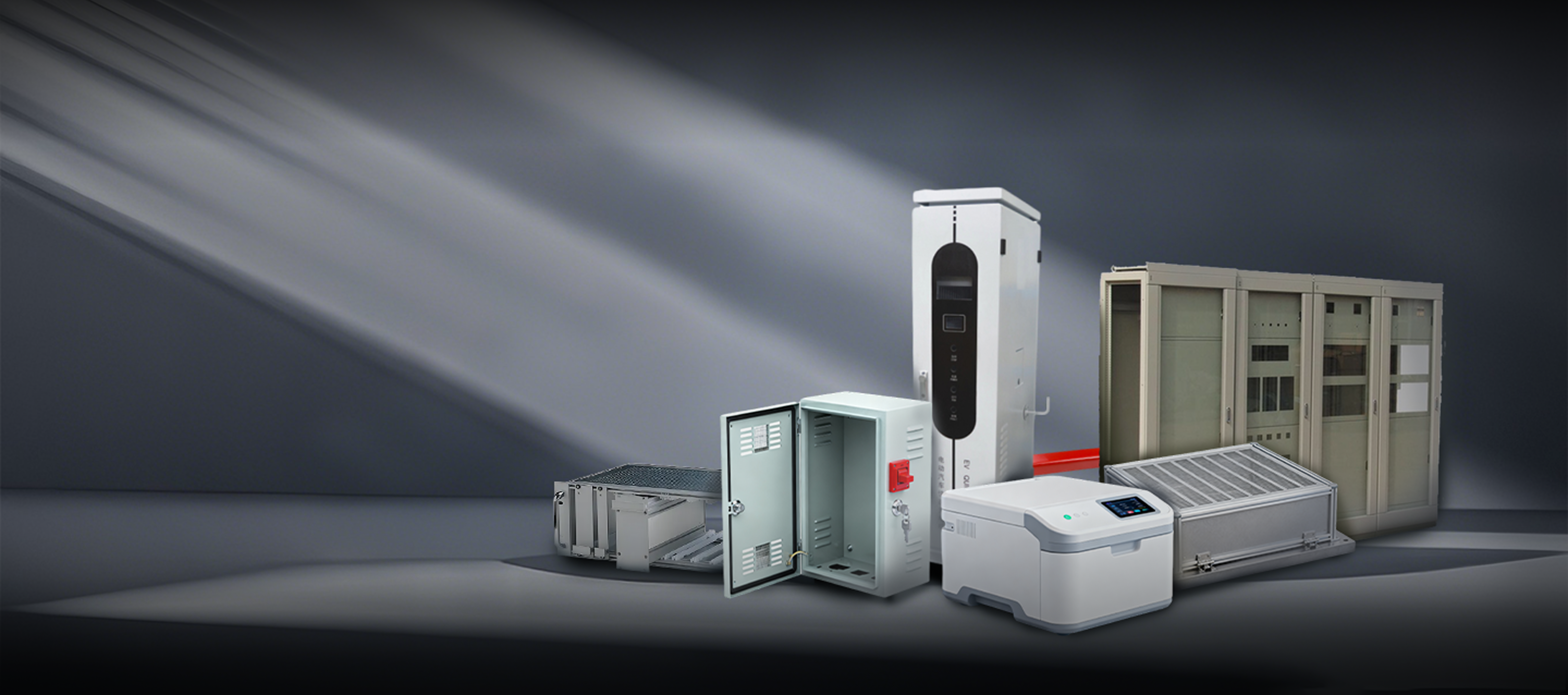
Creating one-stop manufacturing solutions from metal sheets to precision parts. Many successful products and projects often require close collaboration between core metal processes. Therefore, we integrate specialized sheet metal and machining capabilities to form a powerful technical synergy, ensuring your design is realized from drawing to finished product.
Home > Processing Services
Design Drawings
Professional Design Team, Precise Technical Solutions
Provides customized sheet metal or machining design solutions based on customer needs and application scenarios, ensuring optimal space utilization and safety performance.

Upload Drawings

You can upload various types of design drawings, such as 2D or 3D. We will respond within 2-8 hours!

Processing Technology

Processing Technology

Processing Technology

Processing Processes
01

Stamping, Polishing

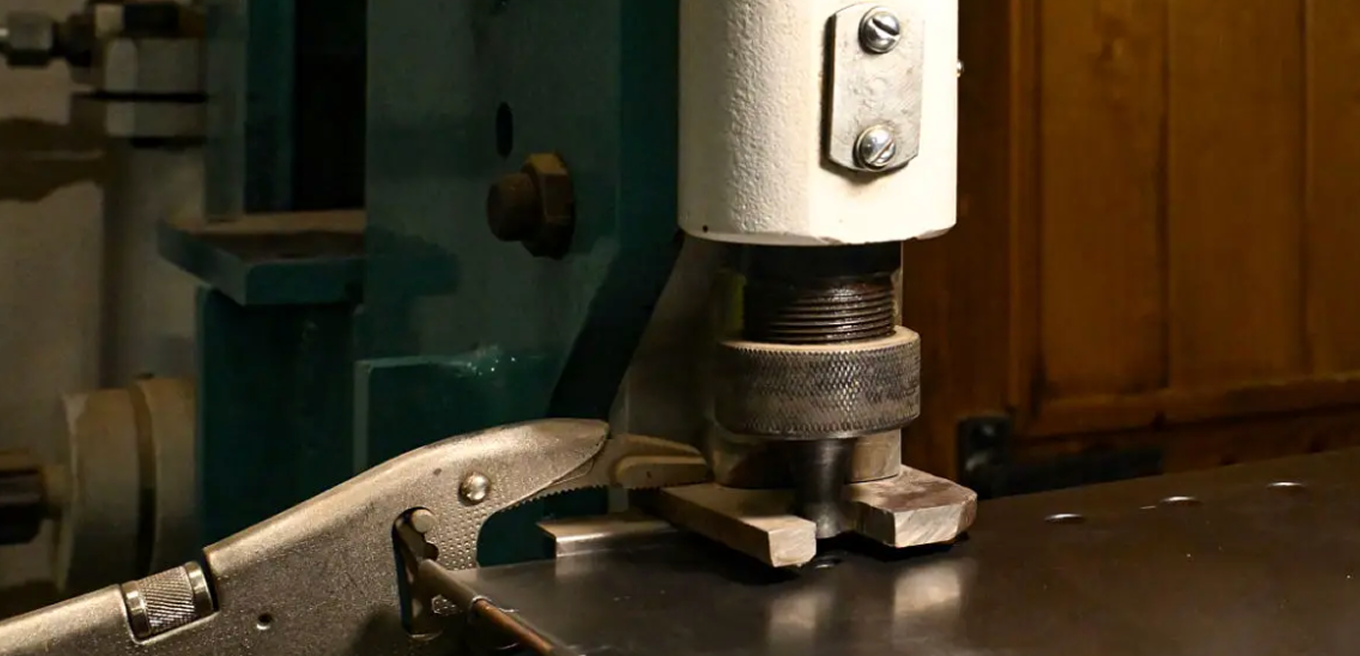
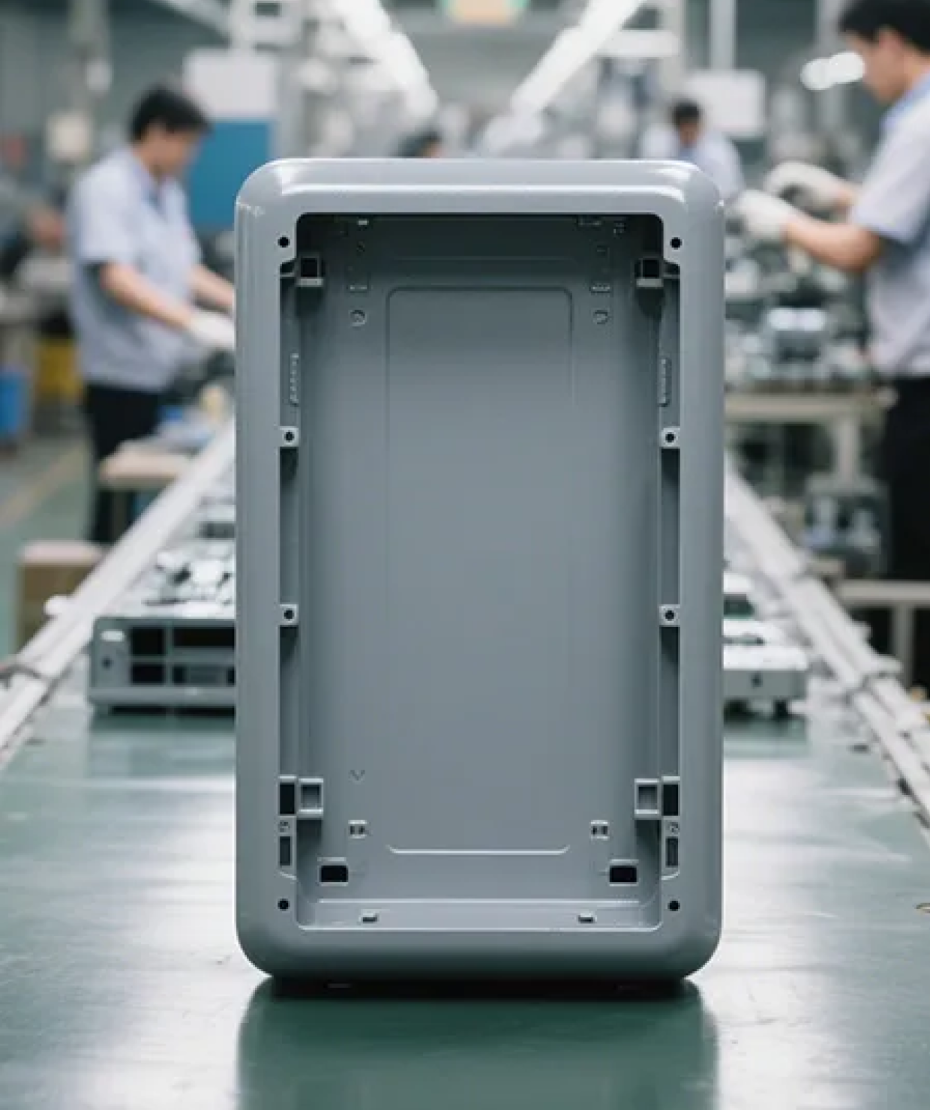
High-speed stamping through molds for mass production of hardware parts and enclosures, supporting complex shapes and embossed textures. Cold/hot stamping adapts to different material properties. After welding, the surface must be sanded again; edges should be smooth without weld spatter, burrs, etc., and seams should be flat and smooth.
02

Cutting Technology

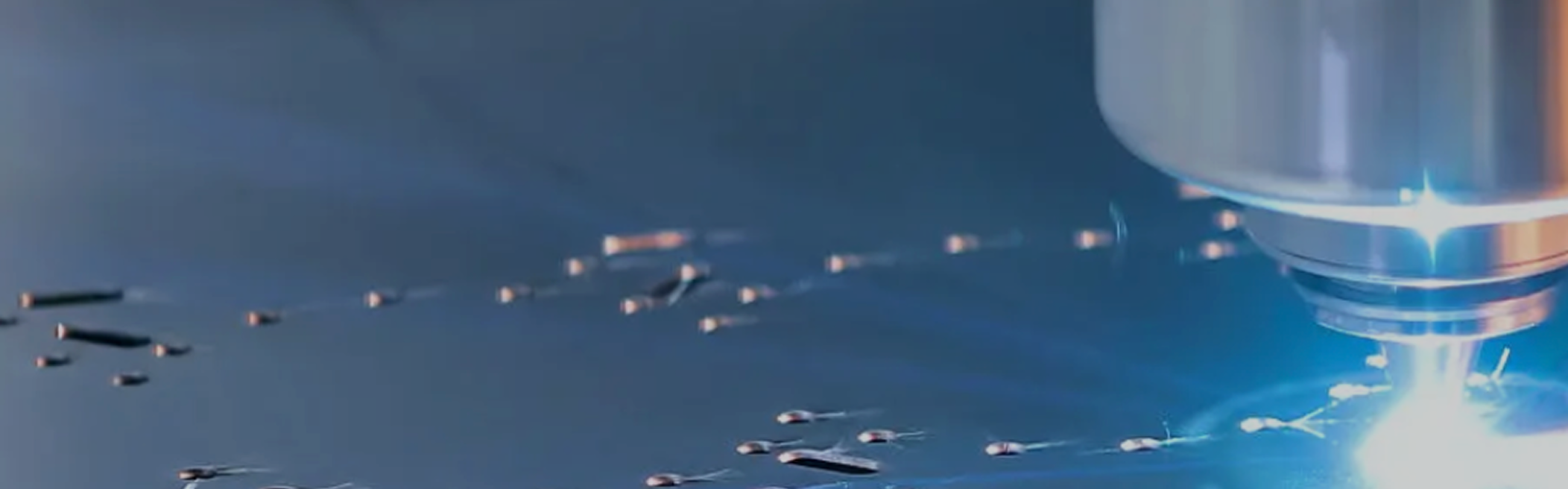
Uses laser cutting, plasma cutting, or water jet cutting technology for precise metal sheet separation, suitable for complex shapes and high precision requirements, with a wide range of material thicknesses and smooth edges.
03

Sheet Metal Bending

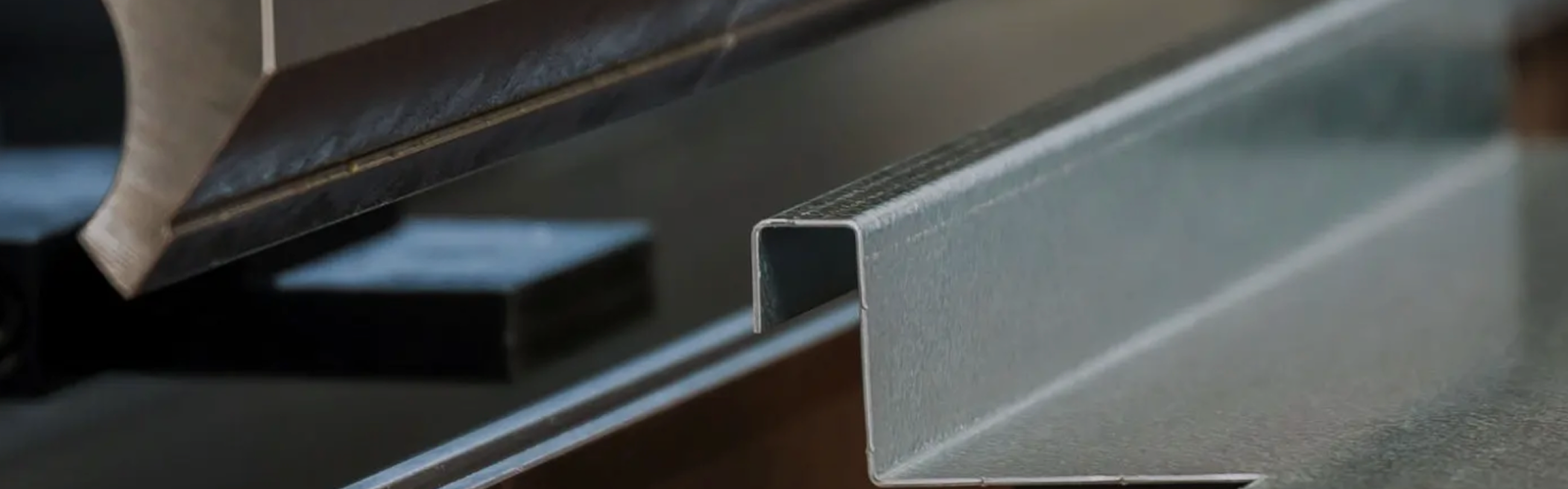
Utilizes CNC bending machines with custom molds to apply force to thin metal sheets, forming various geometric shapes like U, V, or channel shapes. Metal thickness can vary.
04

Welding

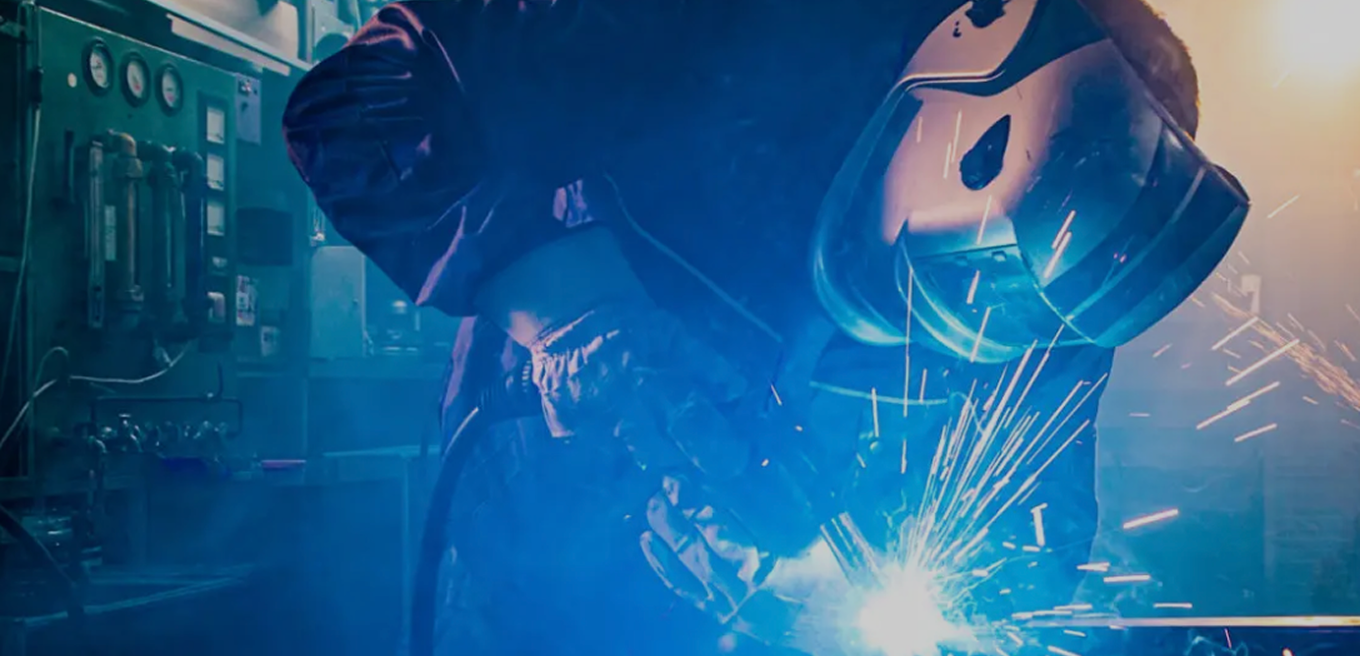
Offers TIG/MIG welding, arc welding, and robotic automation for seamless connections of materials like stainless steel and aluminum, ensuring high weld strength.
05

Punching

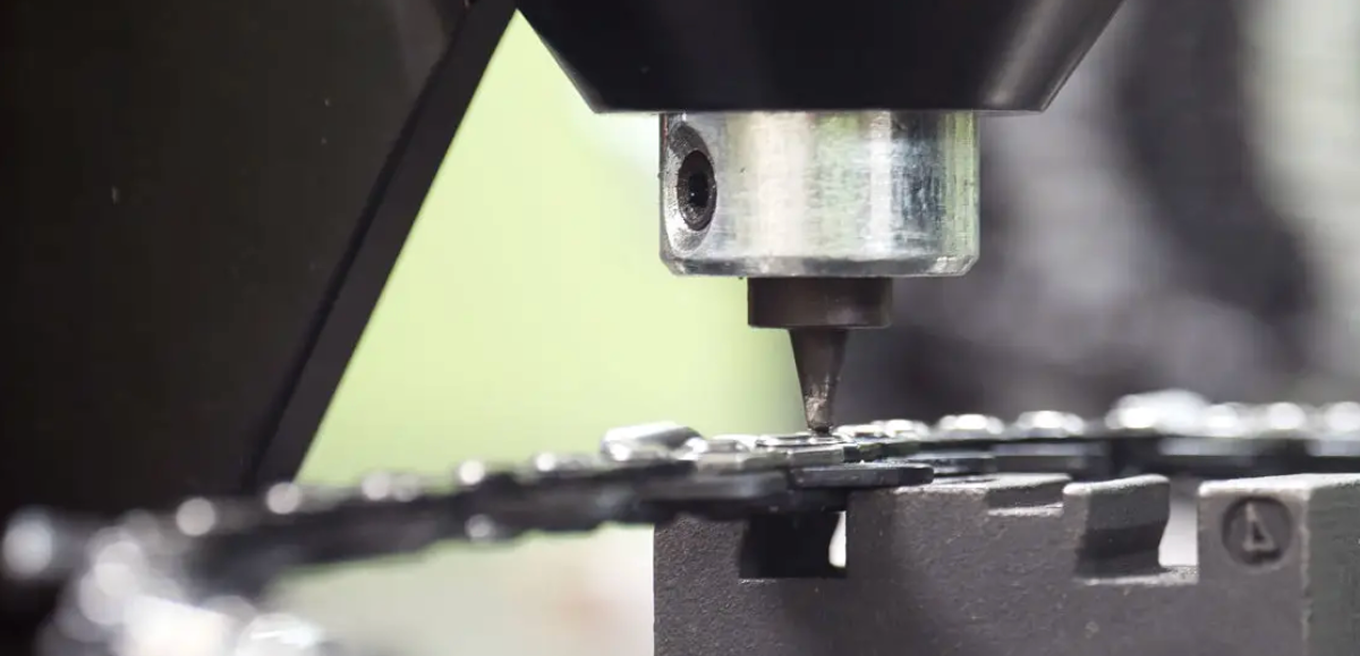
Rapidly completes round, square, and other shaped hole processing using CNC punching machines, supporting batch customization with high precision and cost efficiency.
06

Riveting

Uses press riveting or pull riveting to connect metal parts without high-temperature welding, preserving surface coatings, suitable for chassis and cabinet assembly, strong and easy to disassemble.
Material Selection
High-quality materials, outstanding performance

Aluminum Alloy

Stainless Steel

Carbon Steel

Galvanized Steel

Titanium Alloy

Aluminum Magnesium Alloy
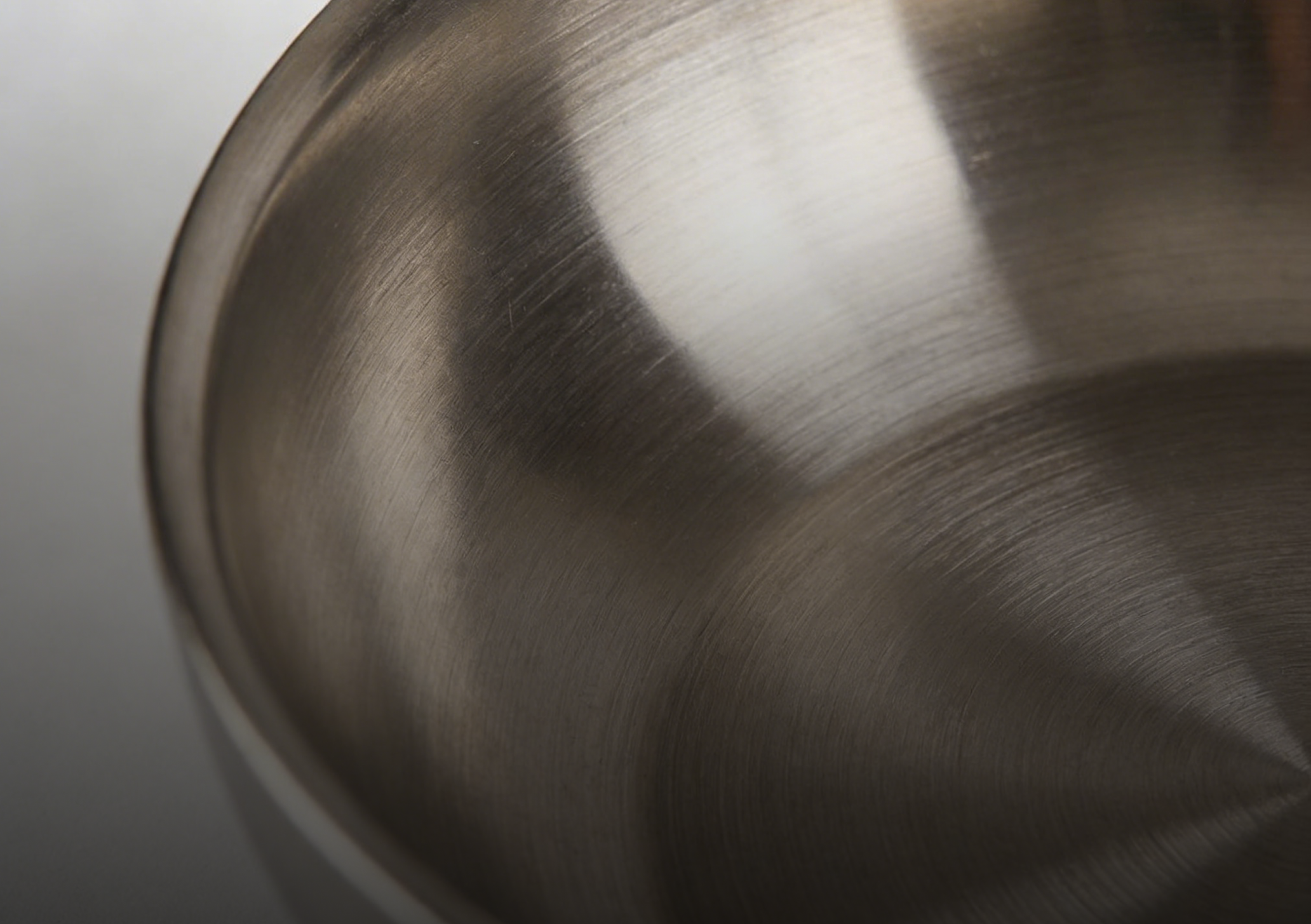
Aluminum Alloy

· Properties: Lightweight, corrosion-resistant, easy to process

· Applications: Lightweight equipment, electronic heat sinks

Stainless Steel

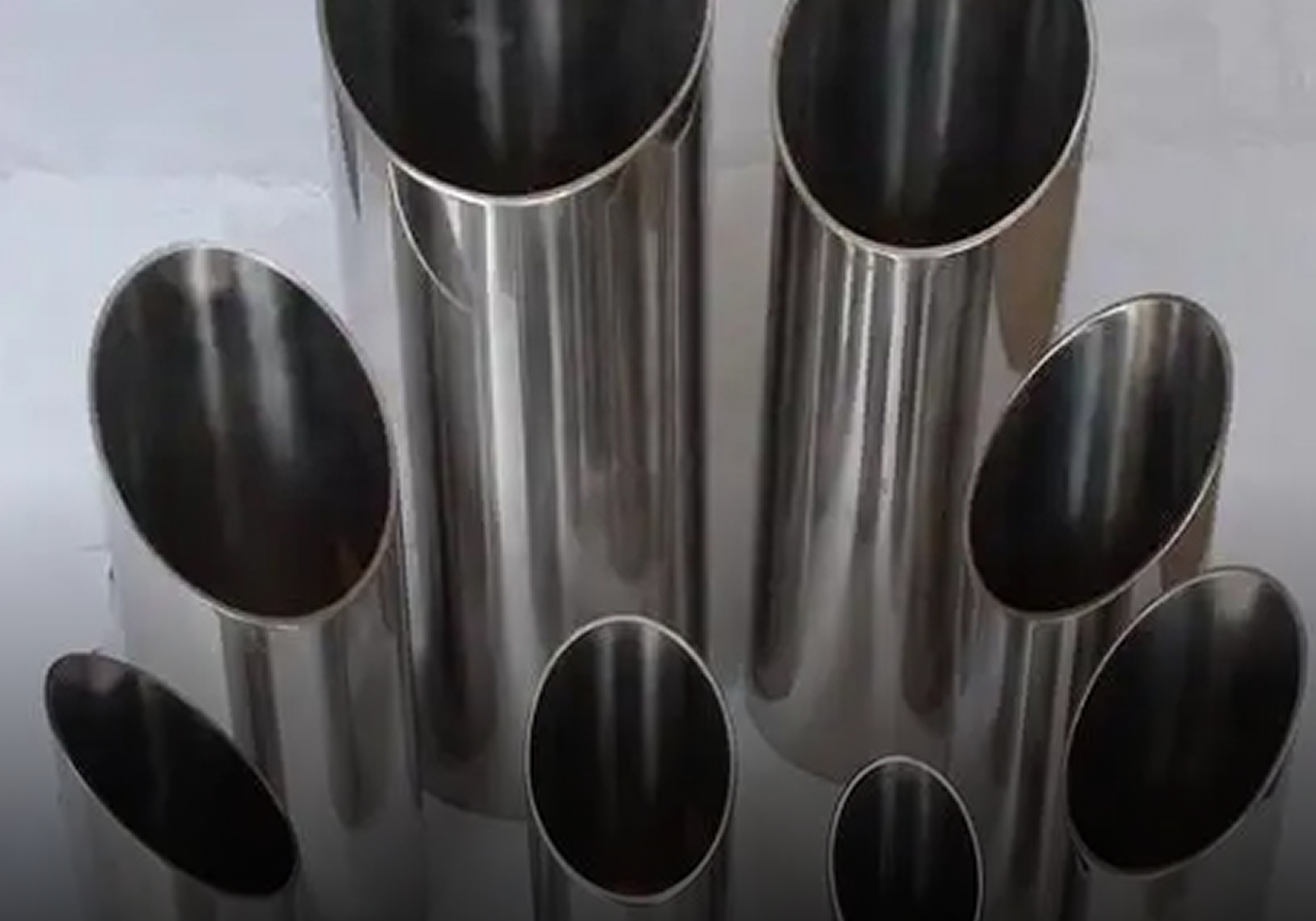
· Properties: Corrosion-resistant, aesthetically pleasing

· Applications: High-end sheet metal products, food and medical equipment

Carbon Steel

· Properties: Cost-effective, high strength

· Applications: Appliance housings, outdoor equipment

Galvanized Steel

· Properties: Strong rust resistance

· Applications: Lightweight equipment, electronic heat sinks

Titanium Alloy

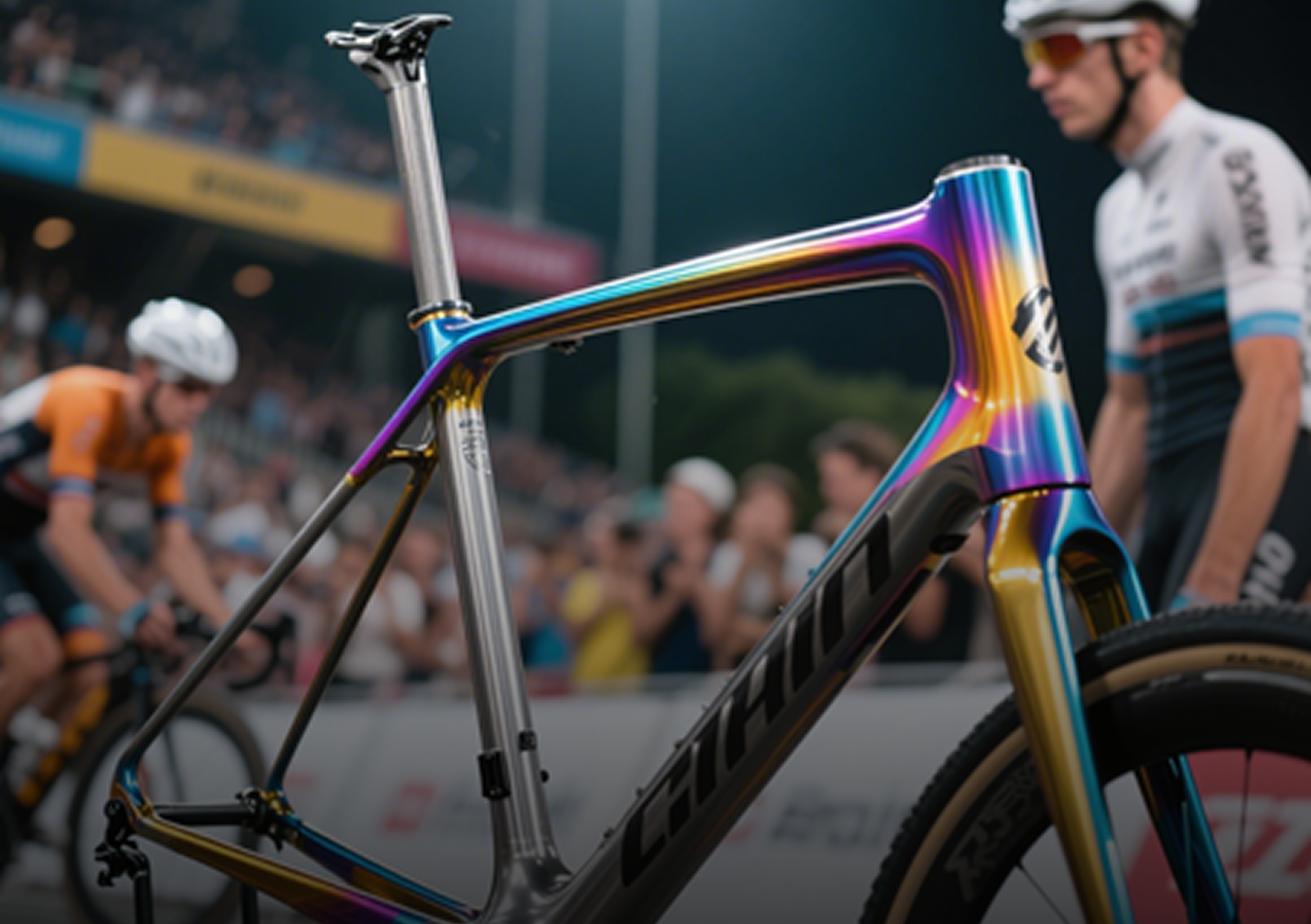
· Properties: High strength-to-weight ratio, corrosion-resistant

· Applications: Aerospace components, medical devices

Aluminum Magnesium Alloy
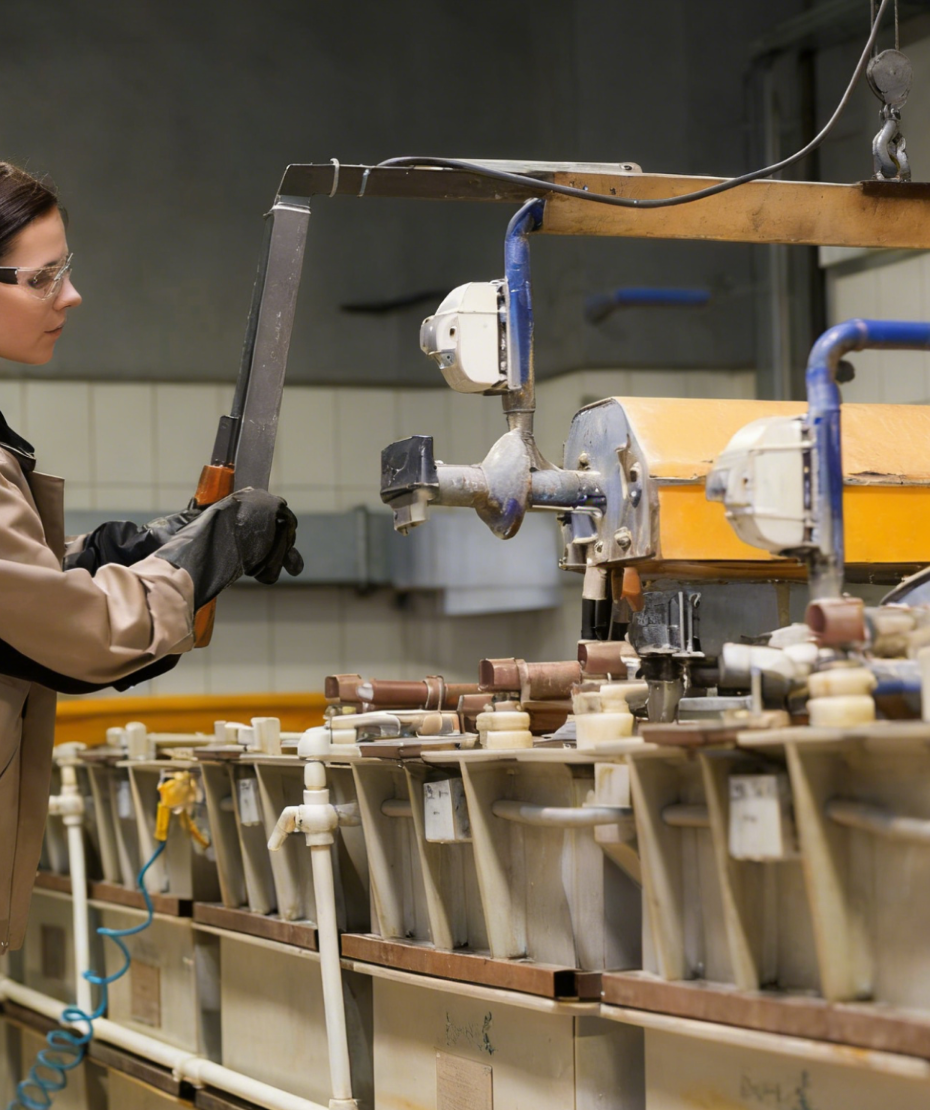
· Properties: Resistant to seawater corrosion

· Applications: Ships, transportation equipment

Surface Treatment
Surface Treatment
Surface treatment processes that meet diverse application needs
01
Sandblasting
Uses high-speed ejected sand particles to remove surface oxides and burrs, enhancing adhesion and surface roughness.
  • Applicable Materials

    Aluminum, carbon steel, stainless steel, copper, alloy steel, etc.

  • Possible Finishes

    Natural color (can be repainted after processing)

  • Effect Description

    Surface achieves a matte or finely sanded effect, improving paint adhesion and removing impurities.

02
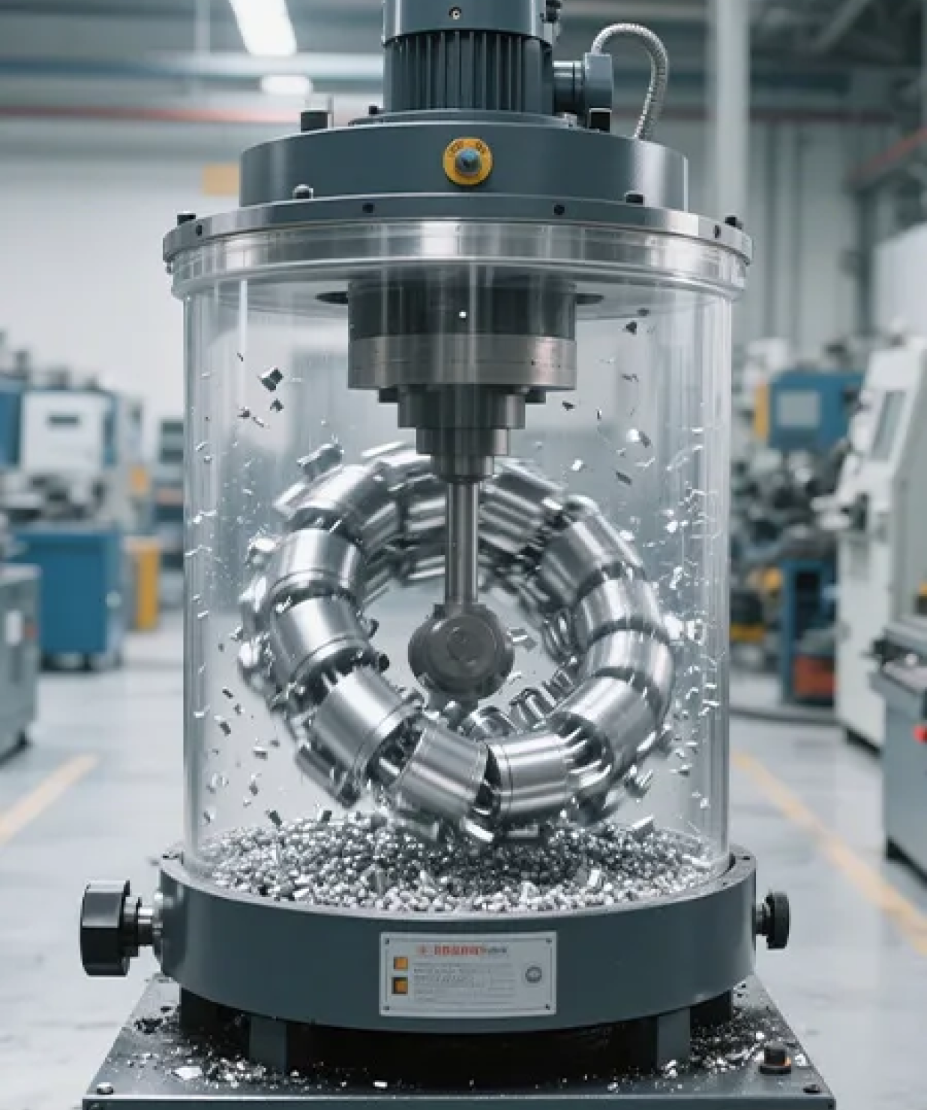
Vibratory Finishing
Parts are placed in a grinding medium for vibration or rolling to achieve deburring, chamfering, and polishing.
  • Applicable Materials

    Aluminum, stainless steel, copper, carbon steel, etc.

  • Possible Finishes

    Natural color (surface can achieve brightness)

  • Effect Description

    Deburred with a smooth uniform surface, enhancing overall aesthetics, suitable for small batch parts.

03
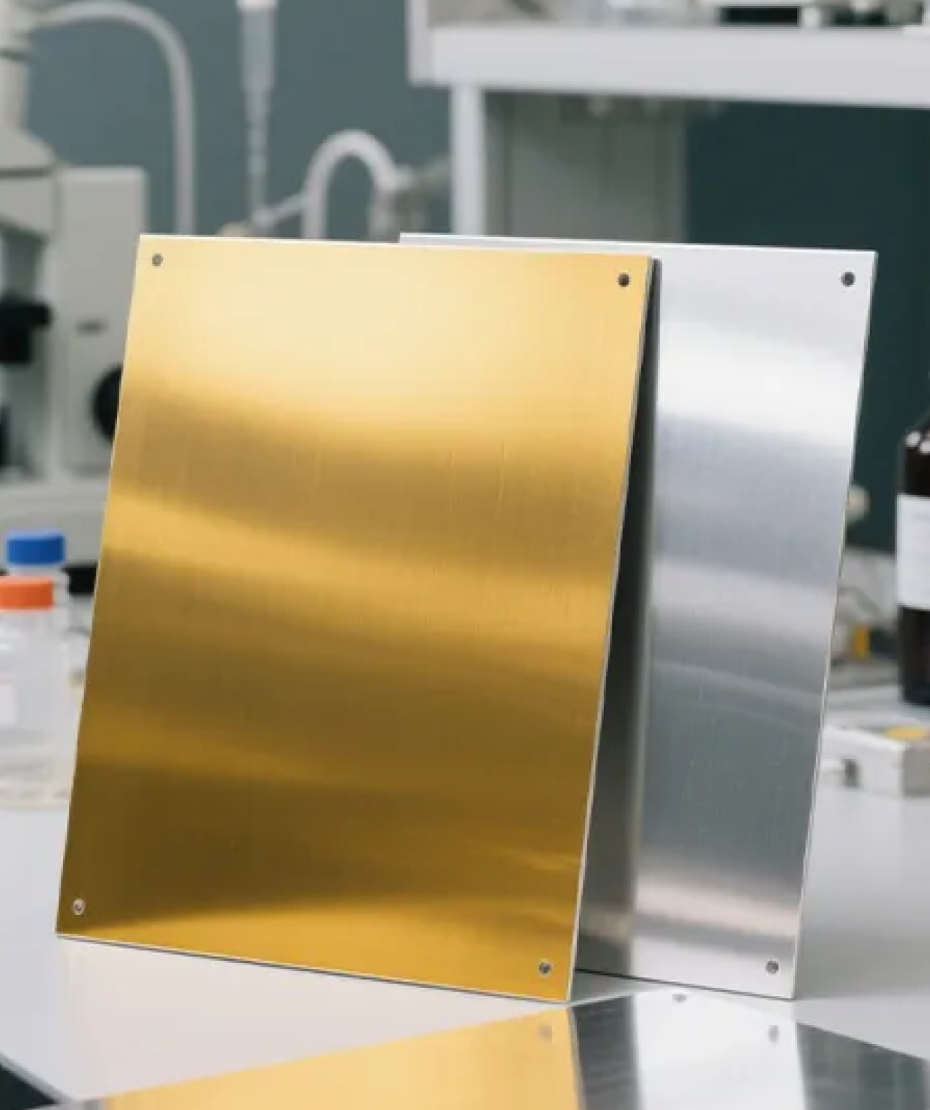
Alodine
Forms a corrosion-resistant conversion film on aluminum alloy surfaces, commonly used for pre-treatment before painting.
  • Applicable Materials

    Aluminum, aluminum alloys

  • Possible Finishes

    Gold-yellow, transparent, light gray

  • Effect Description

    Enhances corrosion resistance and coating adhesion, suitable for aerospace and military electronics.

04
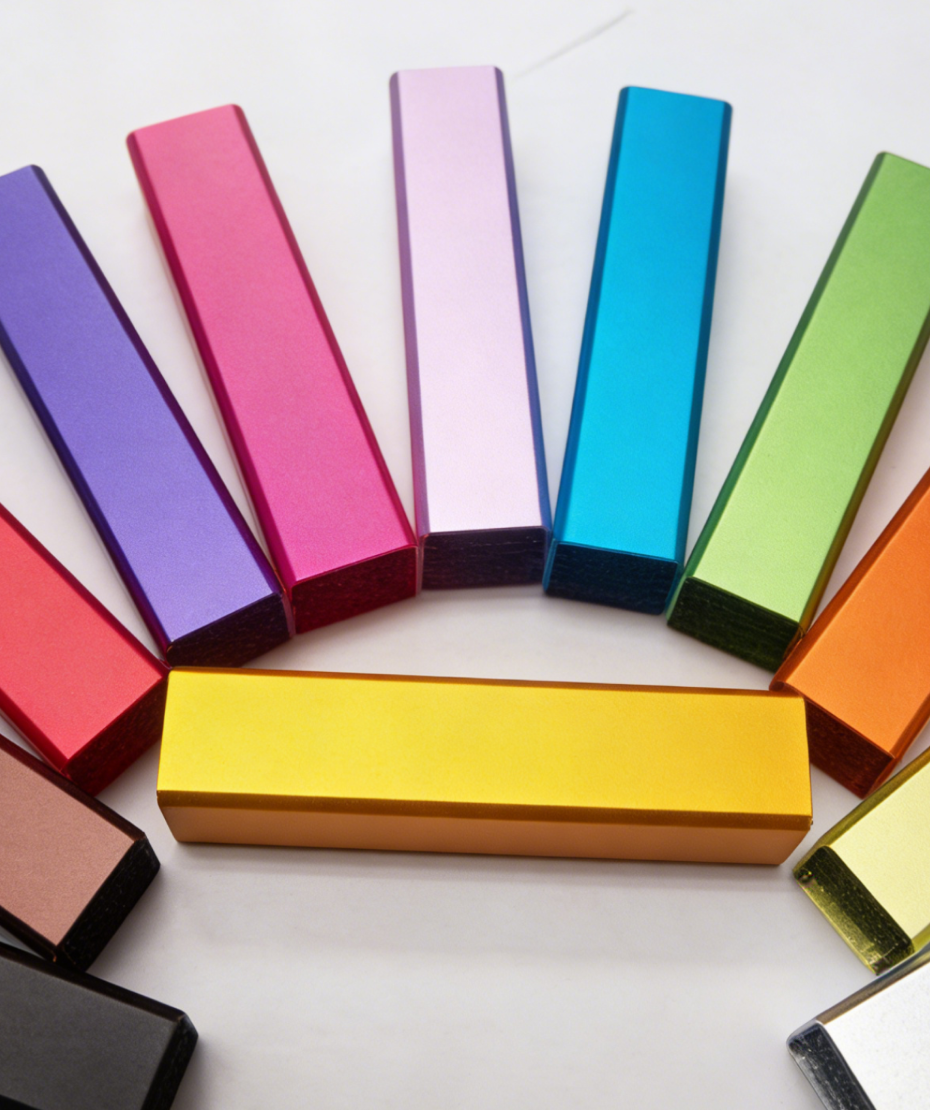
Anodizing
Electrolyzes aluminum to form a dense oxide layer, improving corrosion resistance and aesthetics.
  • Applicable Materials

    Aluminum, aluminum alloys

  • Possible Finishes

    Silver-white, black, gold, red, blue, etc.

  • Effect Description

    Surface hardening, corrosion resistance, dyeable, exquisite appearance with good insulation.

05
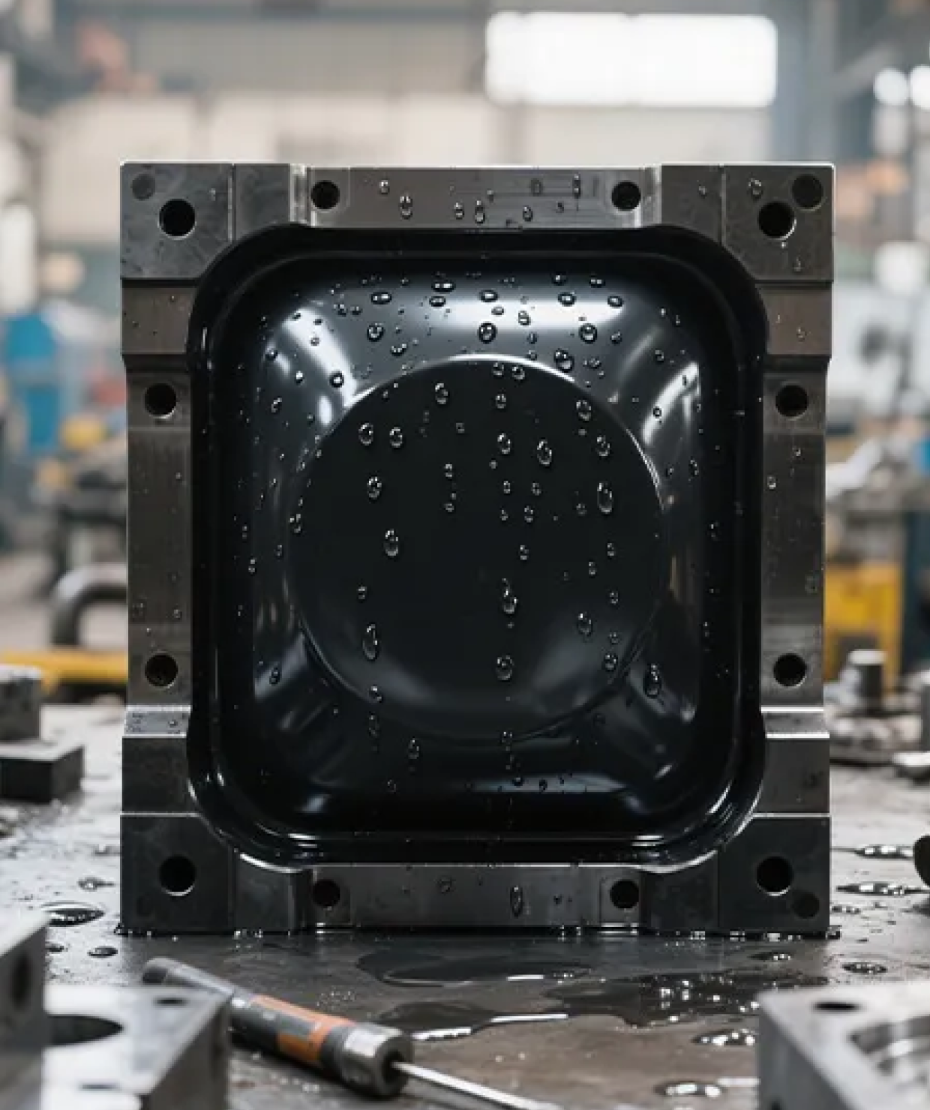
Teflon Coating
Sprays a PTFE coating on metal surfaces, imparting non-stick, corrosion-resistant, and high-temperature properties.
  • Applicable Materials

    Aluminum, carbon steel, stainless steel, etc.

  • Possible Finishes

    Black, gray, green, blue, etc. (depending on formulation)

  • Effect Description

    Surface has very low friction coefficient, oil and water resistance, corrosion resistance, commonly used for sliding parts, molds, etc.

06
Black Oxide
Creates an oxide film on steel surfaces through chemical treatment, enhancing appearance and providing some rust resistance.
  • Applicable Materials

    Carbon steel, alloy steel, stainless steel

  • Possible Finishes

    Black (often matte black)

  • Effect Description

    Uniform black appearance, increased rust resistance, commonly used for mechanical parts.

07
Electroless Plating
Deposits a metal layer on the surface of metals through chemical reduction, commonly nickel plating.
  • Applicable Materials

    Steel, stainless steel, aluminum, copper, etc.

  • Possible Finishes

    Silver-white, bright gray-silver

  • Effect Description

    Bright surface with strong corrosion resistance and uniform coating, suitable for high-precision or internal parts.

08
Electroplating
Deposits a metallic coating on metal surfaces using electrolysis, such as zinc, chrome, nickel plating, etc.
  • Applicable Materials

    Carbon steel, stainless steel, copper, zinc alloys, etc.

  • Possible Finishes

    Silver, gold, nickel, black, colorful zinc, etc.

  • Effect Description

    Enhances corrosion resistance, hardness, and aesthetics, widely used in decorative and protective applications.

09
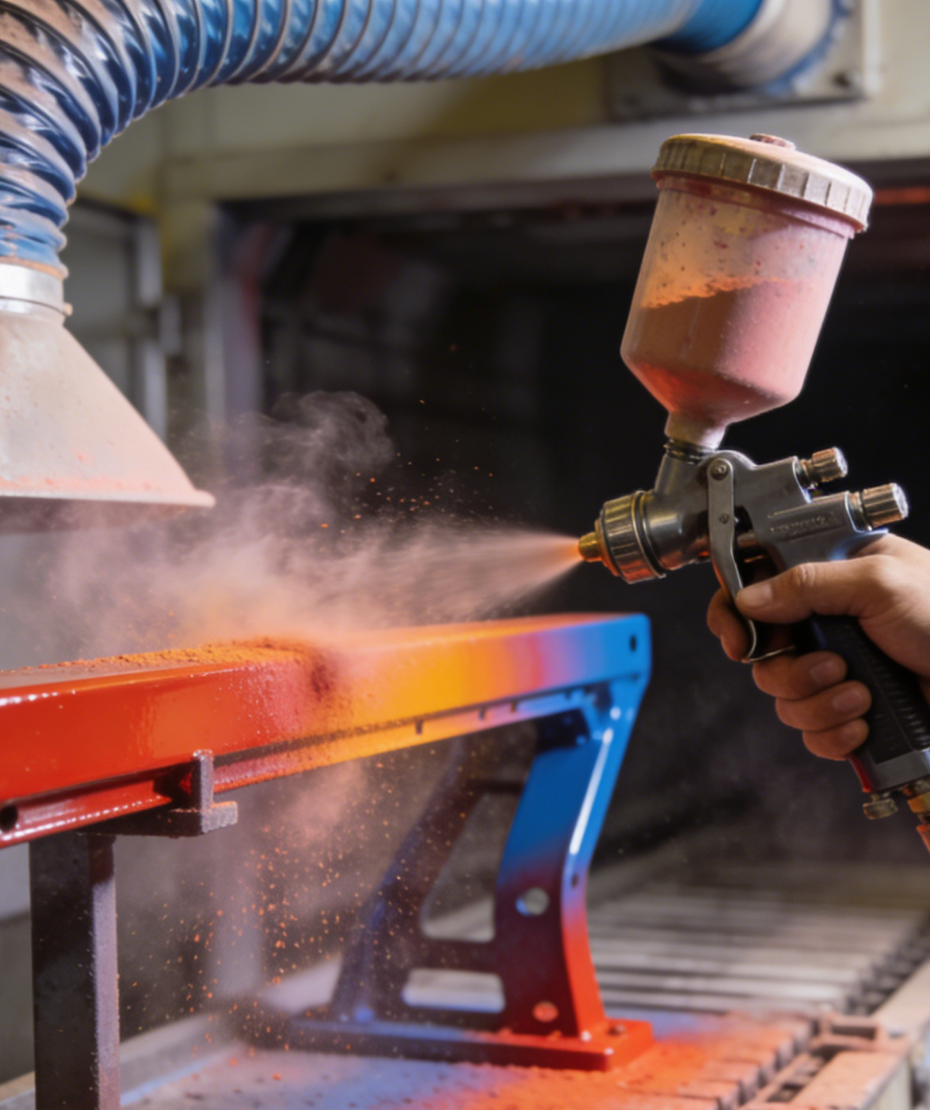
Spray Painting
Applies paint to the surface of the workpiece, forming a protective and color layer.
  • Applicable Materials

    Almost all metal materials

  • Possible Finishes

    Various colors available

  • Effect Description

    Diverse colors, moisture-proof and rust-proof, enhances appearance, suitable for non-standard color requirements.

10
Passivation
Forms a stable oxide film on metal surfaces, enhancing corrosion resistance without affecting conductivity.
  • Applicable Materials

    Stainless steel, aluminum, copper, etc.

  • Possible Finishes

    Original color or slightly gray

  • Effect Description

    Enhances corrosion resistance while maintaining original color, suitable for high-demand industries like food and medical devices.

11
Powder Coating
Adsorbs solid powder via electrostatic charge and bakes at high temperature to form a coating.
  • Applicable Materials

    Carbon steel, stainless steel, aluminum, etc.

  • Possible Finishes

    Various colors (RAL international color chart available)

  • Effect Description

    Uniform coating, strong adhesion, impact-resistant, corrosion-resistant, suitable for enclosures and equipment housings.

12
Electrophoresis
Deposits a uniform coating on charged metal parts, commonly used for primer rust prevention.
  • Applicable Materials

    Steel, aluminum, zinc alloys, etc.

  • Possible Finishes

    Black, gray, transparent, gold, etc.

  • Effect Description

    Thin and uniform coating, suitable for complex shapes, excellent rust prevention, ideal for automotive and electronic housings.

Processing Cases

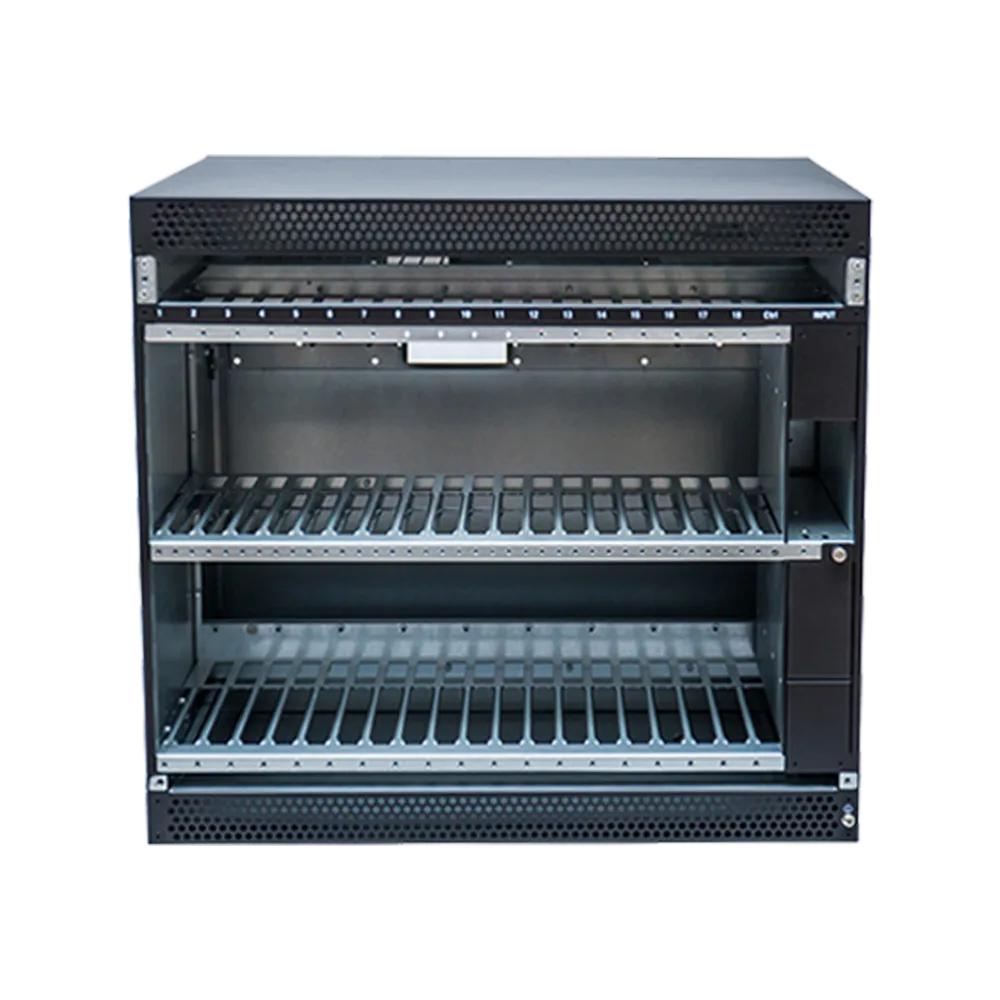
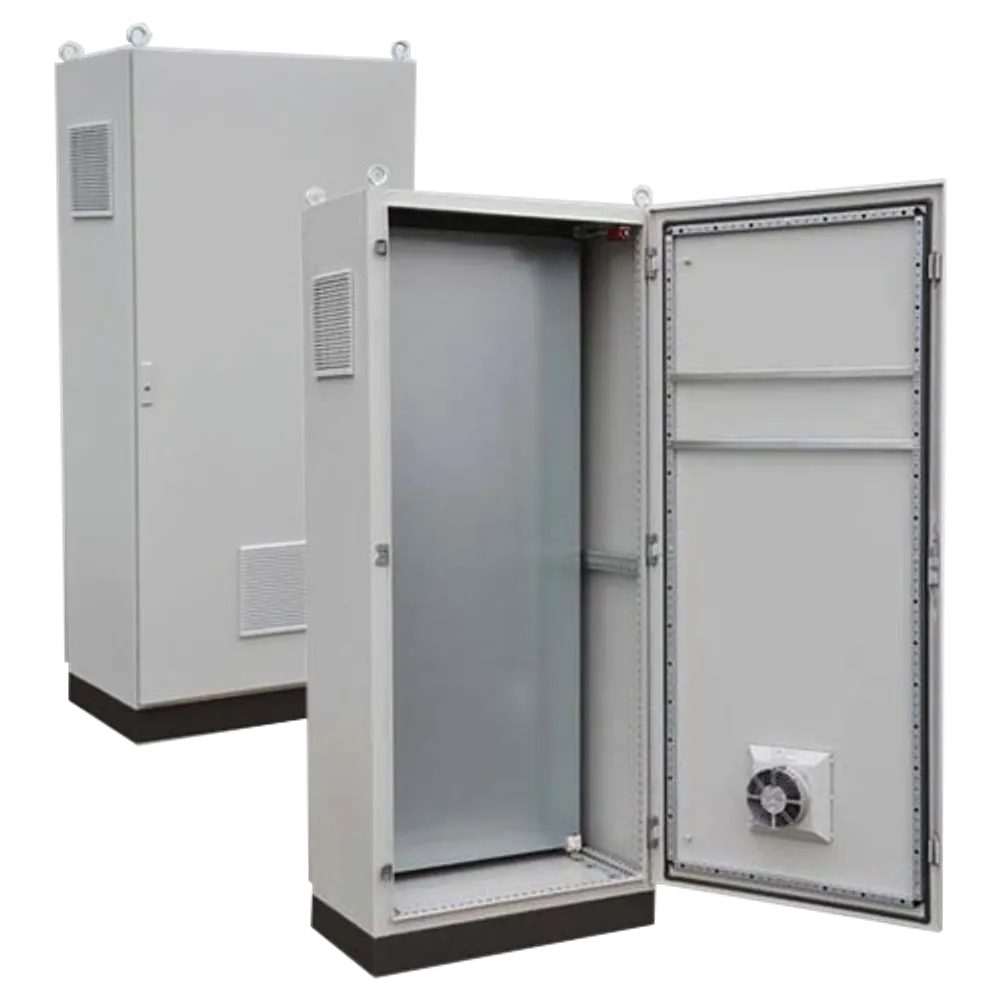
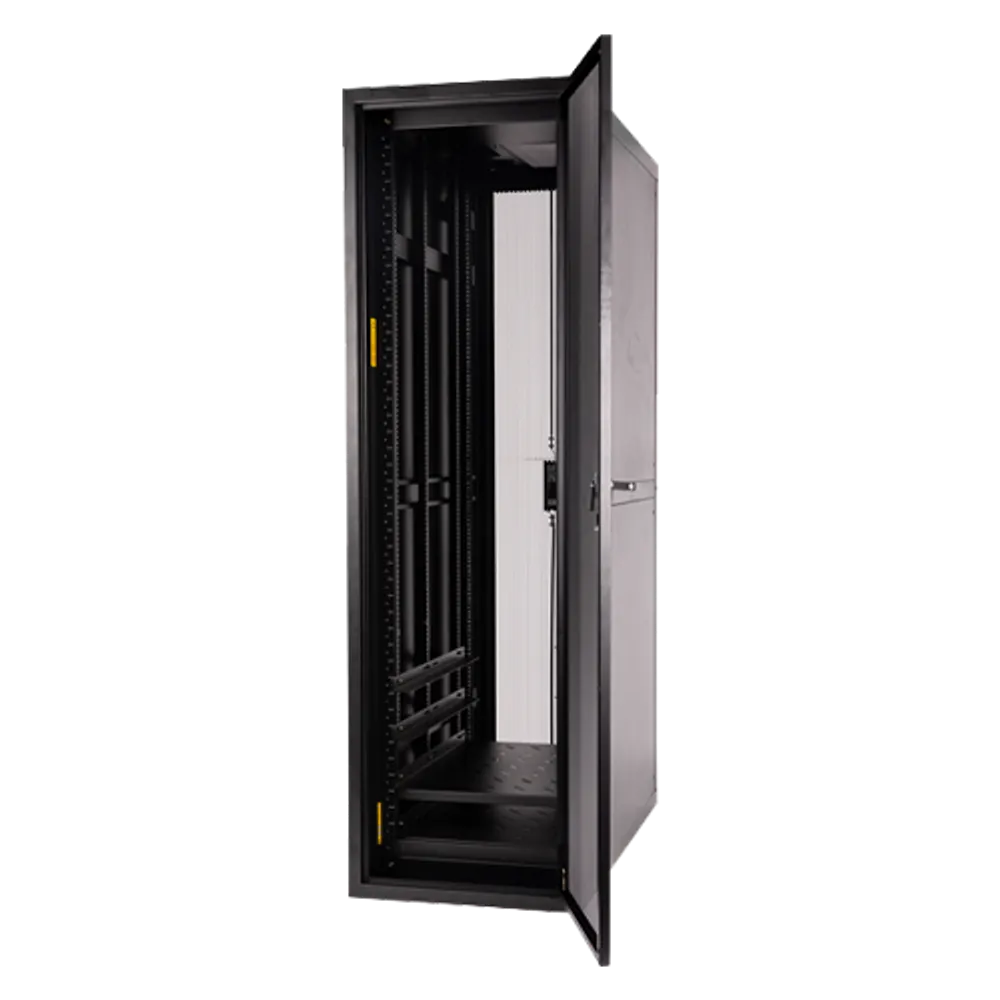
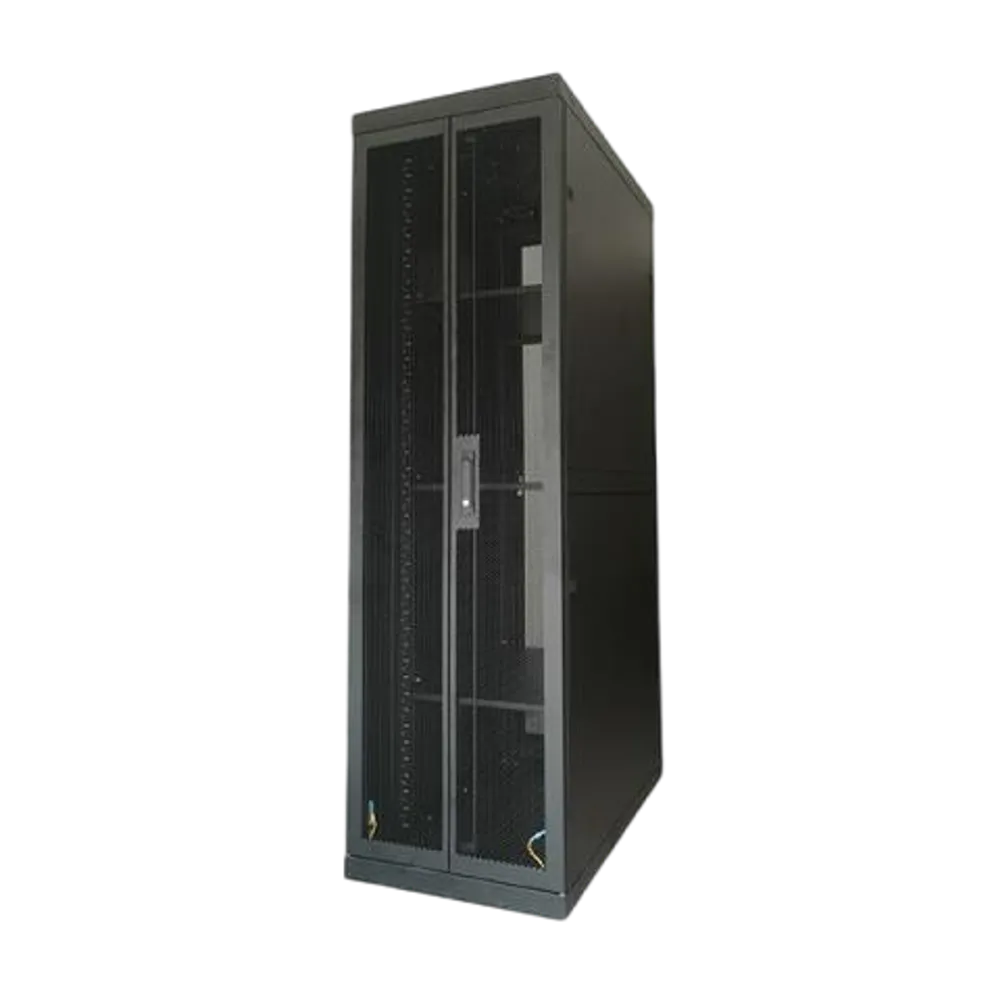
Communications Series

Eco-friendly Series

Stamped Parts

other

Vending Series

Medical Series

New Energy Series

Logistics Series

Frequently Asked Questions
Common Questions

Q

What are the common material selection issues in sheet metal fabrication?

In sheet metal fabrication, material selection is of paramount importance. Common sheet metal materials include stainless steel, aluminum alloys, and carbon steel. When selecting materials, factors such as the product's operating environment, load-bearing requirements, corrosion resistance, processing complexity, and cost must be taken into consideration. For instance, stainless steel offers excellent corrosion resistance but presents greater challenges during processing; conversely, aluminum alloys are lightweight—making them suitable for light-duty products—yet possess lower compressive strength.

Q

How can processing accuracy be ensured during sheet metal fabrication?

To ensure processing precision, sheet metal fabrication plants must utilize advanced equipment—such as high-precision CNC punching machines, laser cutters, and CNC bending machines. Furthermore, it is essential to regularly verify the calibration status of the equipment and to ensure operational accuracy through the supervision of skilled professionals. During the fabrication process, the use of precision tooling, the proper configuration of processing parameters, and enhanced personnel training serve to effectively guarantee the precision of the finished products.

Q

What is the difference between laser cutting and punch cutting?

Laser cutting and punch cutting are two common cutting methods employed in sheet metal processing. Laser cutting is well-suited for intricate geometries and high-precision applications, maintaining superior cut quality—particularly when working with thin sheet materials. Conversely, punch cutting offers high efficiency and is ideal for mass production due to its rapid cutting speed; however, it faces certain limitations regarding processing precision for complex shapes and the permissible thickness of the material. Therefore, selecting the appropriate cutting method based on specific production requirements is of paramount importance.

Q

How to Avoid Deformation Issues in Sheet Metal Processing?

Deformation issues in sheet metal processing primarily stem from uneven material heating, excessive processing forces, or the use of unsuitable fixtures. To prevent such deformation, measures can be taken to mitigate or eliminate it—specifically by optimizing the process workflow, selecting appropriate fixtures, carefully controlling temperature distribution during welding and cutting, and subjecting the material to pre-treatment. Furthermore, during operations such as bending and welding, mechanical parameters must be strictly controlled to prevent the occurrence of stress concentrations.

Q

How can both structural integrity and aesthetic appeal be ensured in sheet metal welding?

In sheet metal fabrication, welding is a critical process. To ensure the structural integrity of the welded joints, it is essential to select an appropriate welding method—such as TIG, MIG, or laser welding—and to strictly control temperature and pressure during the welding operation. To enhance aesthetic appeal, "trace-free" welding techniques can be employed to minimize visible marks left on the surface after welding. Furthermore, thorough cleaning of the weld area prior to welding, as well as post-weld grinding and finishing, are key factors in ensuring a flawless aesthetic outcome.

Q

How to Reduce Scrap in Sheet Metal Processing?

Minimizing material waste is a key objective in sheet metal processing; beyond enhancing material utilization, it also serves to reduce production costs. Through intelligent layout planning, precise cutting path design, and optimized process workflows, material usage can be maximized while waste is minimized. In modern sheet metal processing, the application of CAD/CAM technologies for layout optimization effectively reduces waste generation and boosts production efficiency.


Contact Us
Contact Us
Contact Us
Contact Us

Upload

Upload drawings for a quote

Your documents are strictly confidential

Upload

Confirm

Delivery