





Search

Leading Industrial Manufacturing Solutions Provider
Leading Industrial Manufacturing Solutions Provider
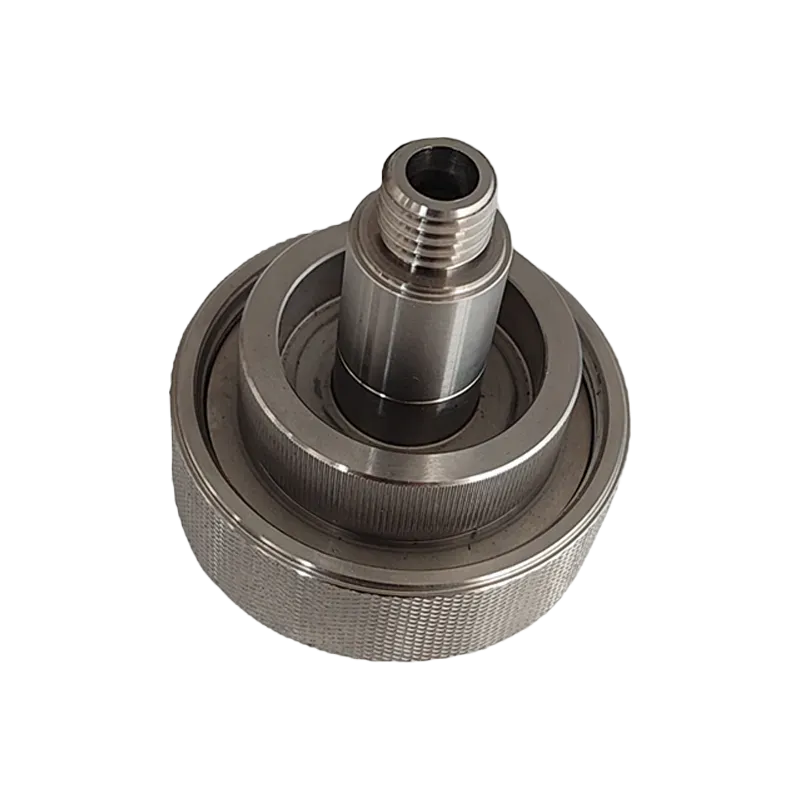
机加工传感器外壳
机加工传感器外壳

机加工件

稳定性

高精度

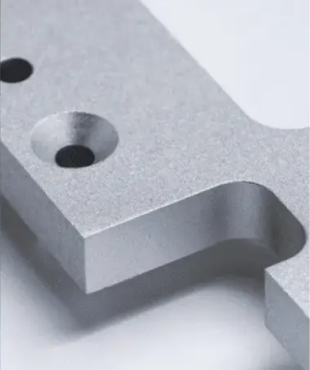
机加工件通常由实心材料块制成,具有出色的强度和稳定性,能够满足各种应用的需求,能够制造出高精度、高表面质量的零件,满足精密仪器、光学设备、航空航天等领域对精度的严格要求,可以加工出复杂形状的零件,适应特定设计需求,机加工件广泛应用于机械制造、电子电器、医疗器械、模具制造等领域,是现代工业不可或缺的一部分。
All Products

Contact Us

Brochure

分类

项目

内容说明

产品介绍

产品名称

机加工件传感器外壳


产品用途

主要用于各类工业传感器、测量元件、电气组件的外部结构保护,广泛应用于自动化设备、汽车电子、医疗设备、智能家电等领域。


结构特点

一体成型结构,具备良好的密封性、强度和稳定性。内部预留螺孔/开槽设计,便于线路布置及安装;表面可根据需求处理抛光、喷砂、电镀等。


定制范围

可根据客户图纸要求进行高精度定制,包括不同形状(圆形、方形、异形)、材质(铝合金、不锈钢等)及加工精度控制。

加工信息

加工方式

精密CNC数控车铣加工,支持多面加工、复合工艺、3轴至5轴加工等,适合复杂结构件的高效率生产。


材质选择

铝合金(6061/7075)、不锈钢(304/316)、铜、钛合金等多种金属材料,满足不同应用环境需求。


表面处理

阳极氧化、喷砂、电镀、拉丝、喷涂、黑色氧化、镭雕标识等,可提高外观、耐蚀性及产品使用寿命。


尺寸公差

可控制在±0.01mm内,满足高精度装配需求,支持批量检测与全检,确保每批产品一致性。


检测标准

严格执行ISO质量管理体系,配备三坐标检测仪、投影仪、硬度计等设备,确保尺寸、平整度、表面处理均达标。

应用优势

环境适应性

外壳具备优良的耐温、抗腐蚀、防尘防潮性能,适用于户外、工业恶劣环境下长期使用。


精度与可靠性

通过高精加工工艺,保障安装配合精度,提升传感器整体性能及稳定性,减少干扰。


客户定制优势

支持图纸打样、小批量定制、快速交货,灵活应对多变市场与客户需求;拥有经验丰富的工程团队协助结构优化与设计建议。

Material Selection
High-quality materials, outstanding performance

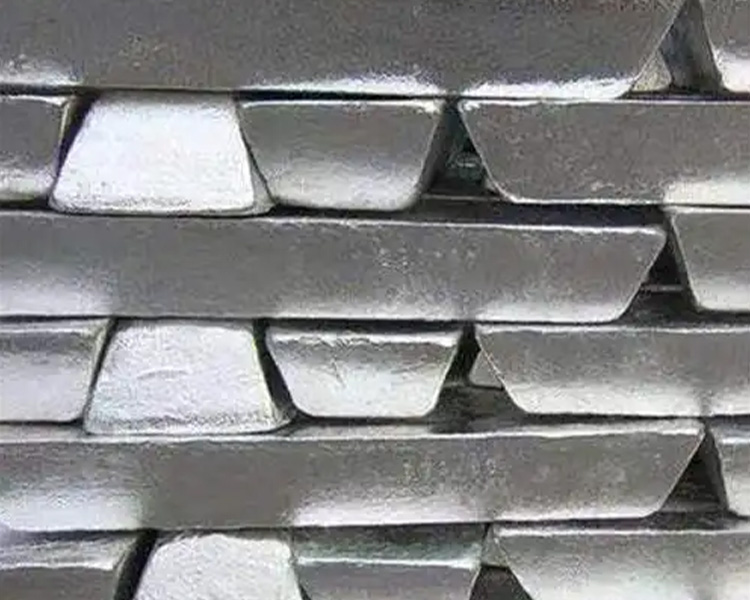
Aluminum

· Aluminum is lightweight, strong, and easy to process, making it suitable for various applications such as aerospace and automotive parts. Its corrosion resistance also enhances its appeal in outdoor projects and structural components.

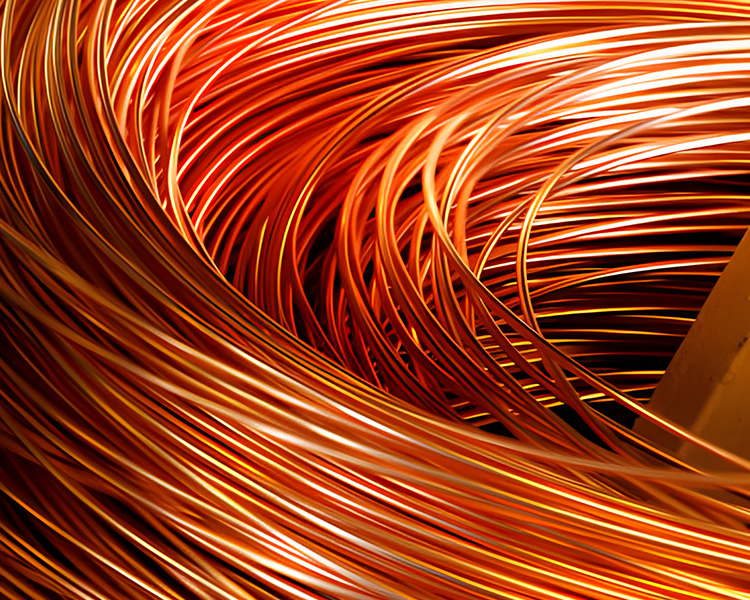
Copper

· Copper has high conductivity and malleability, making it the preferred choice for wires and pipes. Its natural antibacterial properties make it ideal for medical applications, while its aesthetic qualities suit decorative items and artworks.

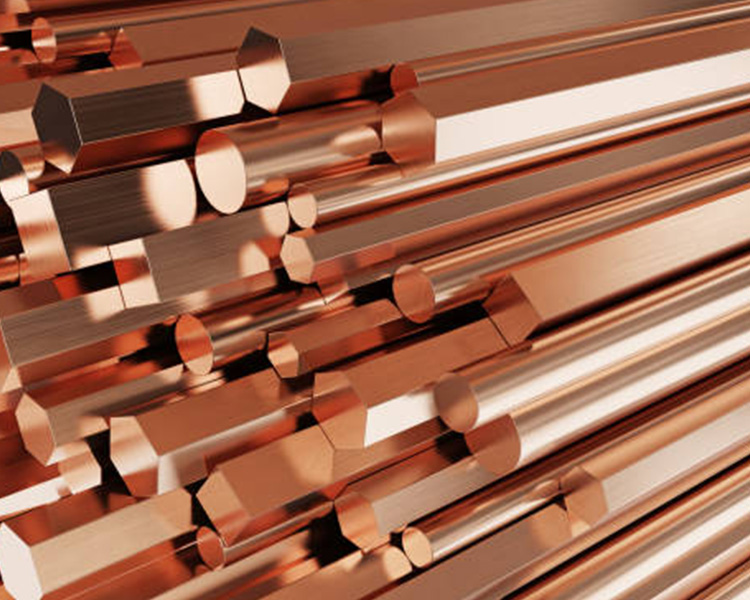
Bronze

· Bronze is an alloy of copper and tin, known for its durability and corrosion resistance. Its high strength and ability to withstand harsh environments make it widely used in marine applications, sculptures, and bearings.

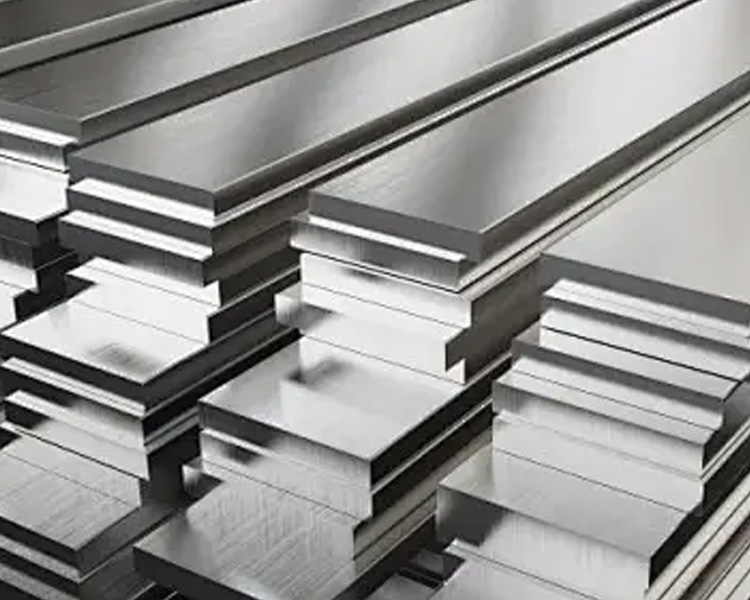
Steel Plate

· Steel is a strong and versatile material used extensively in construction and manufacturing. Its high tensile strength makes it suitable for structural components, and various subtypes enhance its performance for specific applications like tools and machinery.

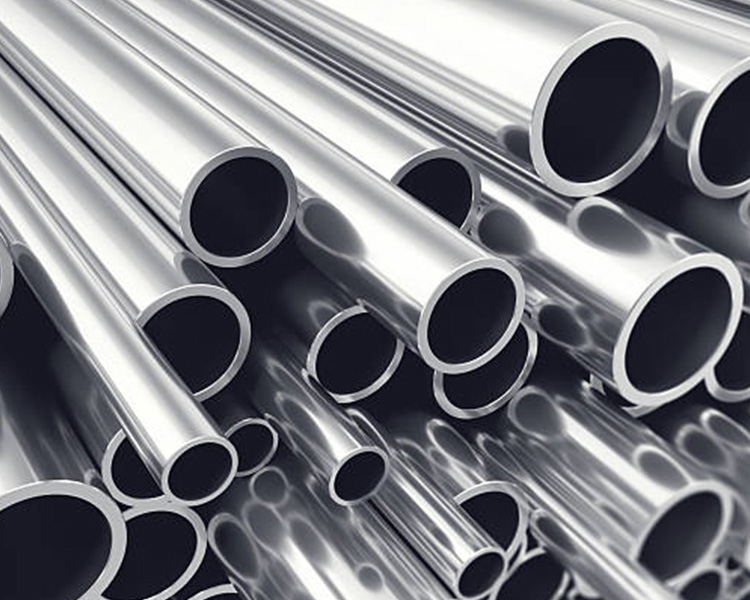
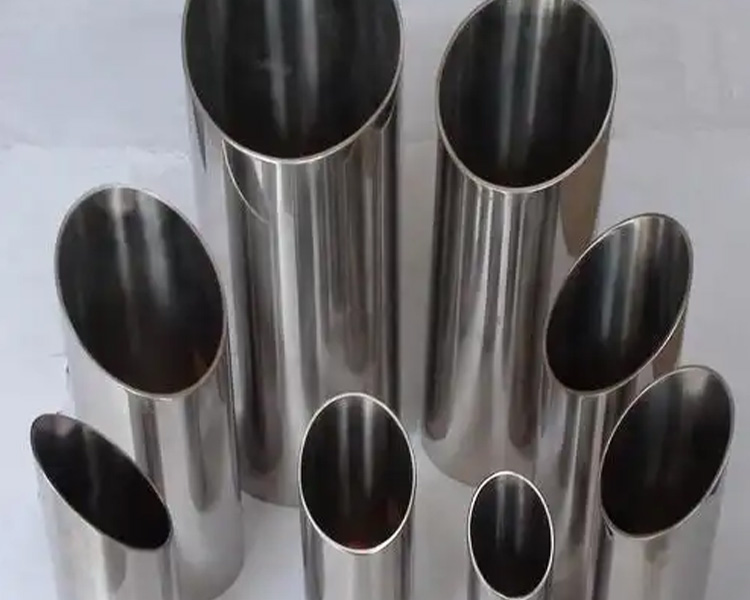
Stainless Steel

· Stainless steel is ideal for kitchenware and medical devices due to its rust and stain resistance. Its strength and aesthetic appeal also make it a popular choice in architectural design and automotive parts.

Magnesium

· Magnesium is lightweight yet strong, commonly used in aerospace and automotive sectors where weight reduction is crucial. Its machinability allows for complex shapes, and it is also used in various electronic devices due to its excellent conductivity.

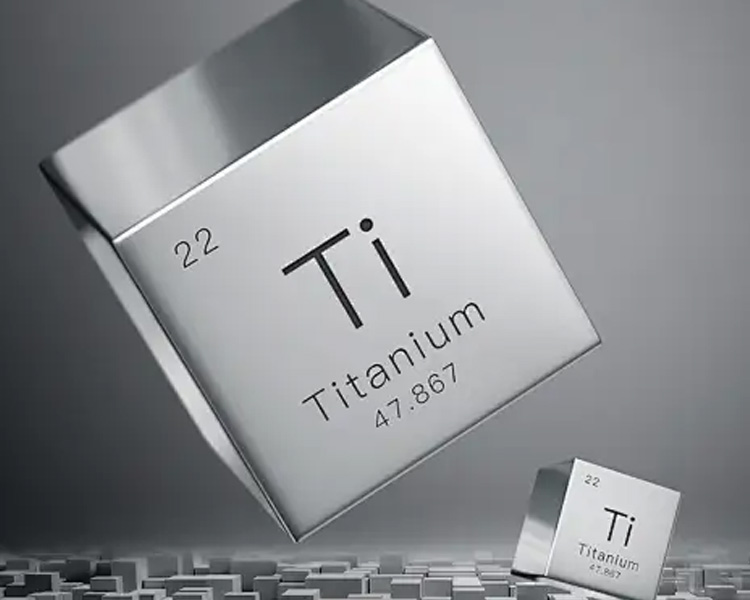
Titanium

· Titanium is a strong and lightweight metal, ideal for aerospace and medical implants. Its corrosion resistance and biocompatibility make it promising for harsh environments, and its high strength-to-weight ratio suits various industrial applications.

Tool Steel

· Tool steel is a high-hardness, wear-resistant, and high-heat-strength alloy steel specially used for manufacturing tools. It is widely applied in molds, cutting tools, stamping dies, and precision mechanical parts. Tool steel can be categorized into cold work, hot work, and high-speed tool steels based on its application.

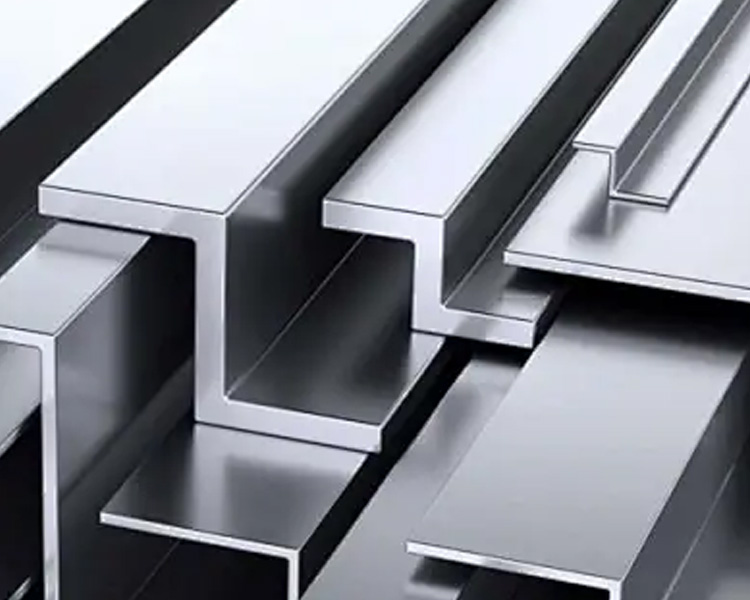
Alloy Steel

· Alloy steel is made by adding one or more alloying elements (such as chromium, nickel, molybdenum) to carbon steel to enhance its strength, toughness, wear resistance, and corrosion resistance. It is widely used in structural components, machinery parts, gears, and high-strength bolts, suitable for high loads and harsh environments.

Aluminum

Copper

Bronze

Steel Plate

Stainless Steel

Magnesium

Titanium

Tool Steel

Alloy Steel
Surface Treatment
Surface Treatment
Surface Treatment
Surface Treatment
Surface Treatment
Surface treatment processes that meet diverse application needs
01
Anodizing
An electrochemical process that forms a dense oxide film on the surface of aluminum or titanium alloys, classified into Type II (decorative, thickness 4-25μm) and Type III (hard, thickness up to 125μm).
Treatment Colors: Supports dyeing in transparent, black, gold, red, blue, and more, with diverse color options.
Effects Description: Enhances corrosion resistance, hardness, and wear resistance; the surface is smooth and non-conductive. Type III is suitable for high-strength applications (e.g., aerospace), while Type II is mainly for decorative purposes.
02
Electroplating
Deposits a layer of other metals (such as chromium, nickel, copper, gold, etc.) on the metal surface to enhance functionality or aesthetics.
Treatment Colors: Chrome (silver-white), nickel (silver-white), copper (pink/gold), tin-cobalt (light rose), copper-tin alloy (pink/gold/silver-white).
Effects Description: Improves corrosion resistance, conductivity, or magnetism; the surface is smooth and can be multilayered. Tin-cobalt alloy is suitable for complex parts, while copper-tin alloy provides both decoration and protection.
03
Sandblasting (Shot Peening)
Forms a matte or satin finish by high-speed jetting glass beads or corundum, a mechanical treatment.
Treatment Colors: Maintains the original color of the substrate; requires subsequent treatments (e.g., anodizing) for color effects.
Effects Description: Removes tool marks and burrs, increases surface roughness or uniform texture, purely visual improvement without chemical protection.
04
Powder Coating
Electrostatically sprays dry powder and cures at high temperatures to form a protective layer, compatible with all metals.
Treatment Colors: Supports various color customizations with strong coverage.
Effects Description: Wear-resistant and impact-resistant, suitable for outdoor or military equipment, but the coating is thick (18-72μm), which may affect tolerances.
05
Passivation
Removes iron impurities through acid pickling (nitric acid/citric acid) to form a chromium/nickel protective layer, mainly for stainless steel.
Treatment Colors: Maintains the original color of the metal or slight discoloration, no dyeing function.
Effects Description: Rust-proof, improves cleanliness, suitable for medical and food equipment, does not add thickness.
06
Chemical Nickel Plating
Deposits a nickel-phosphorus alloy layer on the surface through a chemical reduction reaction, providing uniform coverage on complex structures.
Treatment Colors: Silver-white, hardness can be adjusted through heat treatment.
Effects Description: High hardness and wear resistance, suitable for precision parts (e.g., medical devices), but cost is relatively high.
07
PTFE Coating
Coats with Teflon material to form a non-stick, low-friction surface, suitable for high-temperature environments.
Treatment Colors: Mostly black or gray, limited color choices.
Effects Description: Resistant to chemical corrosion, good insulation, but durability is lower than other coatings, and cost is higher.
08
Polishing
Mechanical or chemical grinding to achieve a mirror-like smooth surface, commonly used on stainless steel, aluminum, and brass.
Treatment Colors: Retains the original metal color, enhances gloss.
Effects Description: Improves aesthetics, reduces friction, but labor-intensive and difficult for complex geometries.
09
Oxidation Coloring
Applies color through dyeing or electrolytic processes after anodizing, specifically for aluminum.
Treatment Colors: Customizable in various colors (e.g., antique bronze, gold, blue), vibrant hues.
Effects Description: Combines the protective and decorative qualities of anodizing, suitable for lighting fixtures and electronic product casings.
10
Painting/Spray Coating
Sprays liquid coatings that cure to simulate anodizing effects, suitable for metals and plastics.
Treatment Colors: Realistic colors that can mimic metal textures.
Effects Description: Scratch-resistant and colorfast, but requires high-temperature curing, and plastic parts may deform.
Machining Processing
01

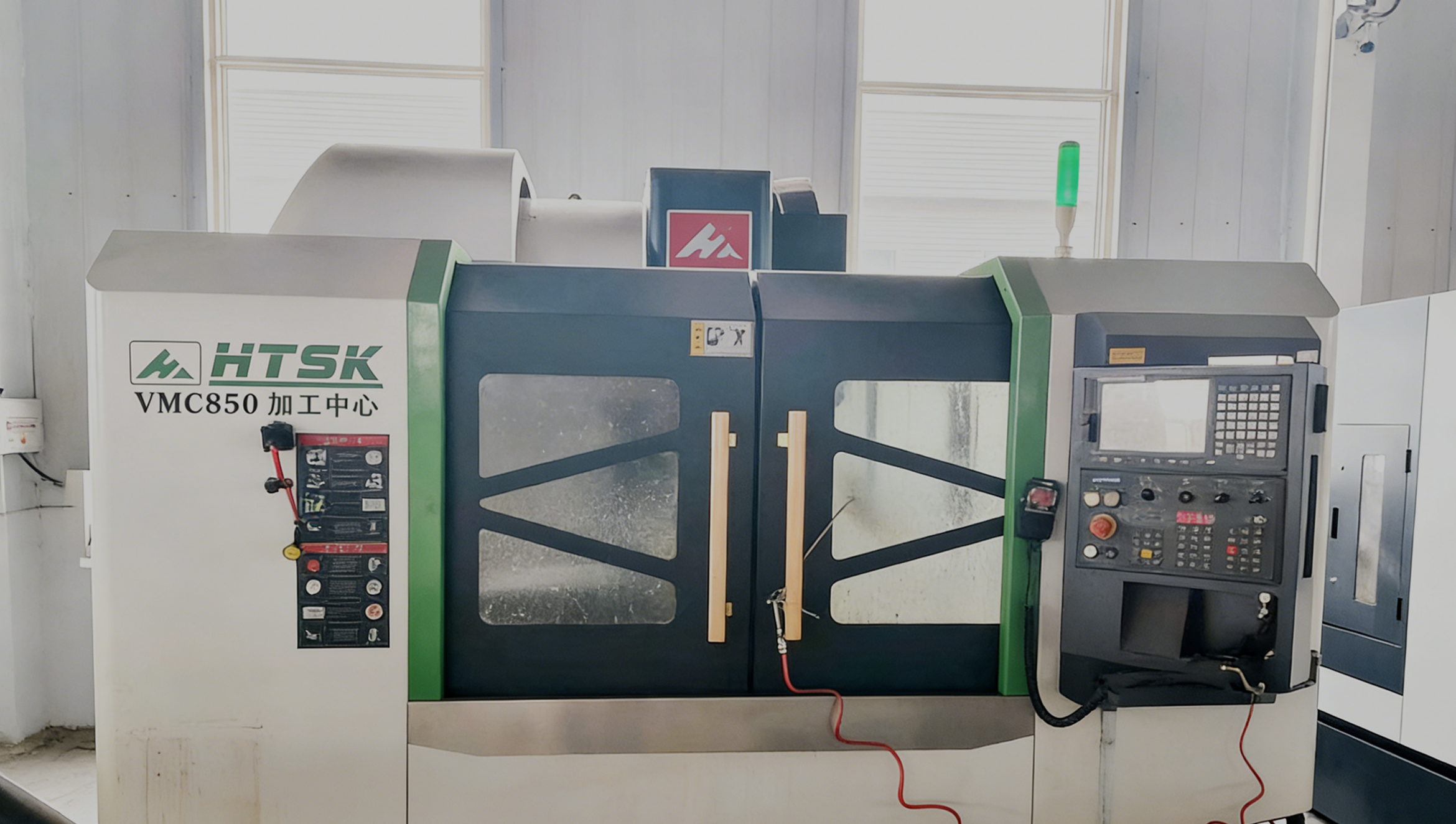
Three-Axis Machining Center

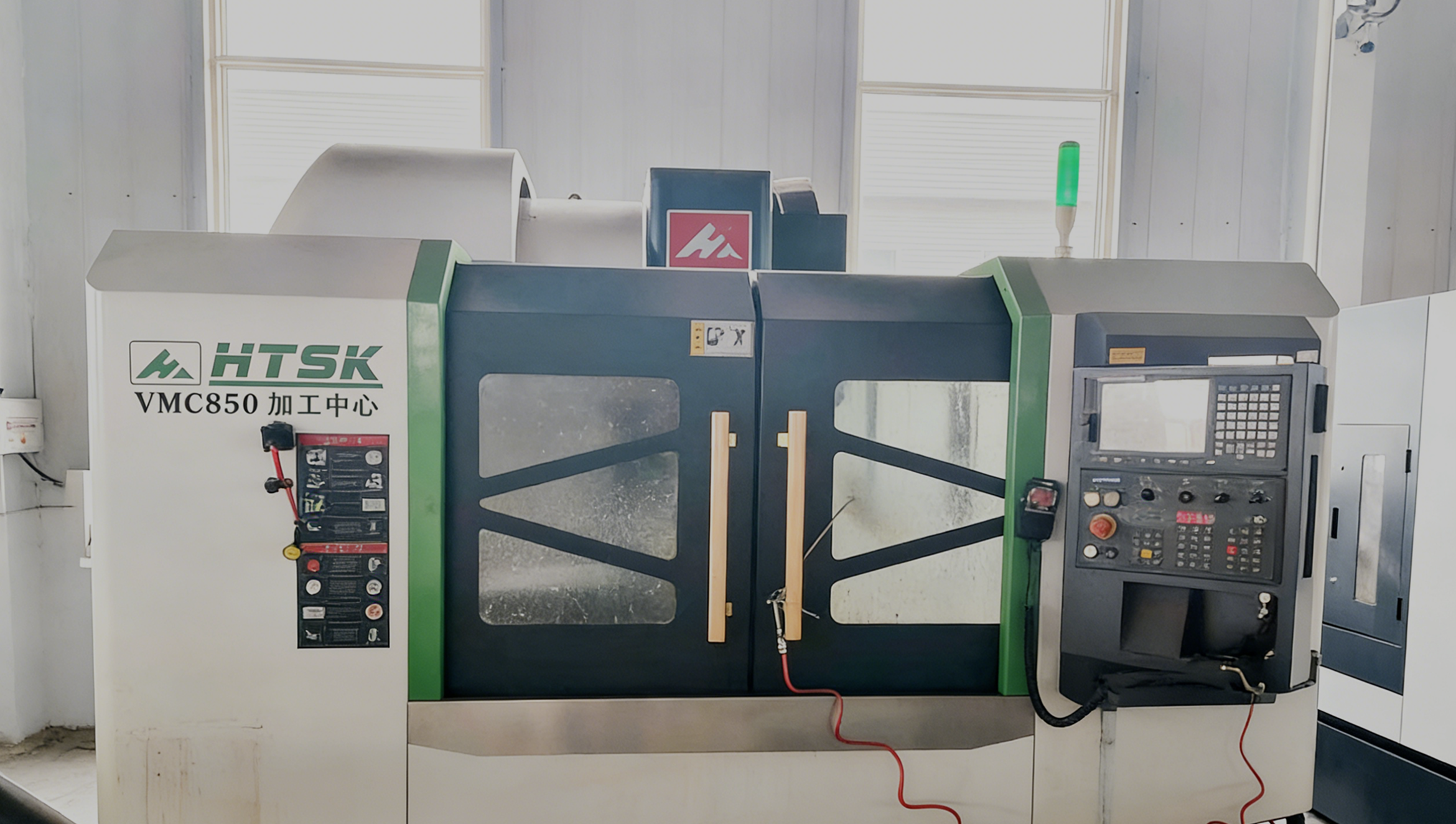
A three-axis machining center is a common high-precision CNC milling machine where the table and spindle move in X, Y, and Z directions, enabling efficient machining of flat and three-dimensional profiles.

Basic operations include face milling, drilling, tapping, chamfering, and slotting; suitable for parts requiring high precision in hole positions or profile control; high machining accuracy and good repeatability, ideal for mass production.

02

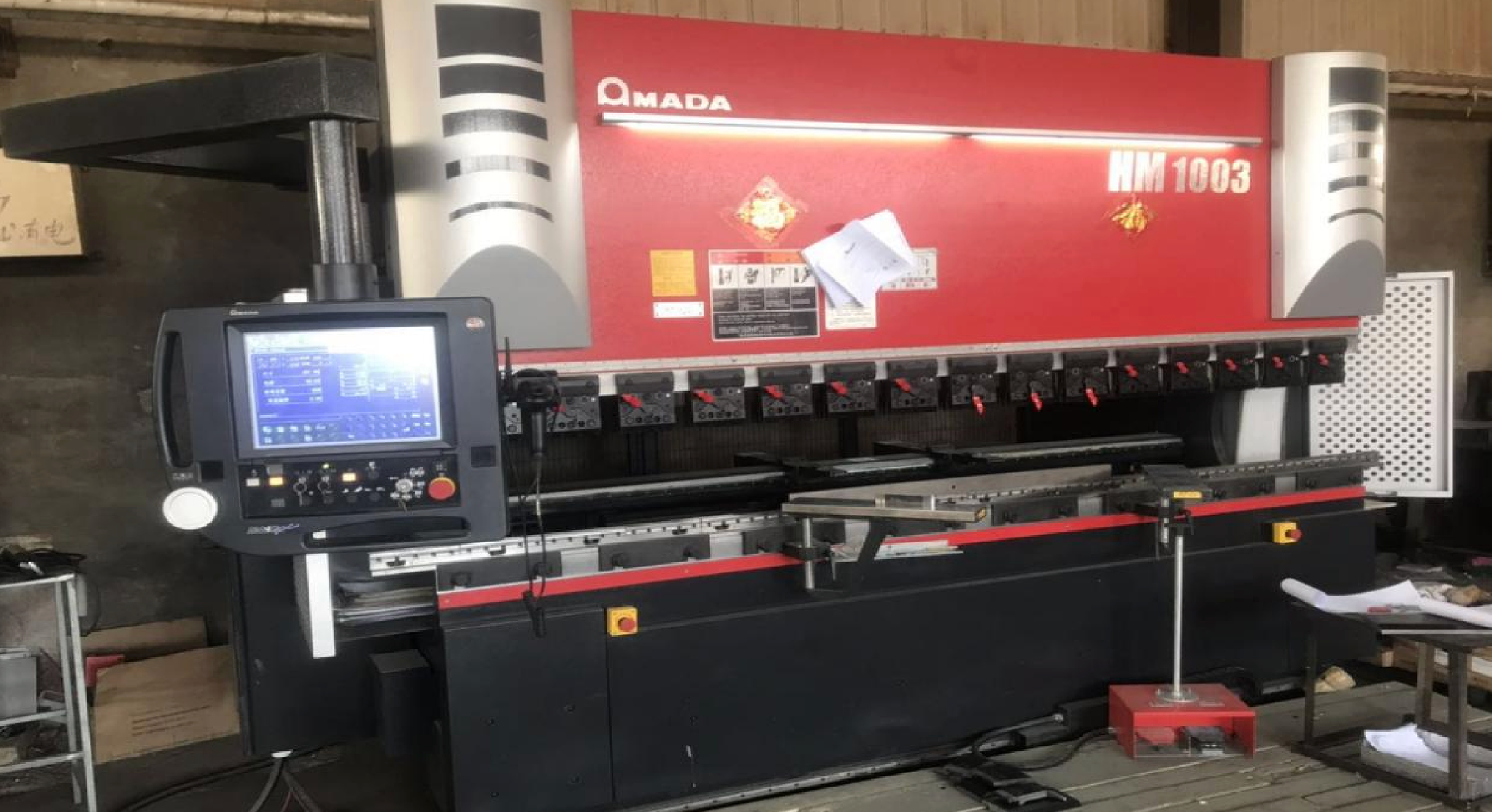
Four-Axis Machining Center

A four-axis machining center adds a rotational axis to the three-axis design, allowing the workpiece to rotate automatically for multi-surface machining, improving precision and efficiency.

Can perform all three-axis operations while facilitating multi-surface machining; suitable for parts that require drilling, tapping, and milling on multiple faces; flexible programming adapts to complex shapes or irregular parts.
03

CNC Lathe

A CNC lathe is a high-precision machine used for machining rotating parts, where the tool moves in the X-axis (radial) and Z-axis (axial) direction, completing automatic turning processes through program control.

Suitable for batch processing of shafts, rings, and sleeves; capable of machining diameters up to φ500mm and lengths within 800mm.

Processing Cases

Quick-Disconnect Connector

Aluminum Sensor Housing

Machined Aluminum Parts

Aluminum Frame

Aluminum Bracket

Tailgate Hinge

Smart Aluminum Enclosure

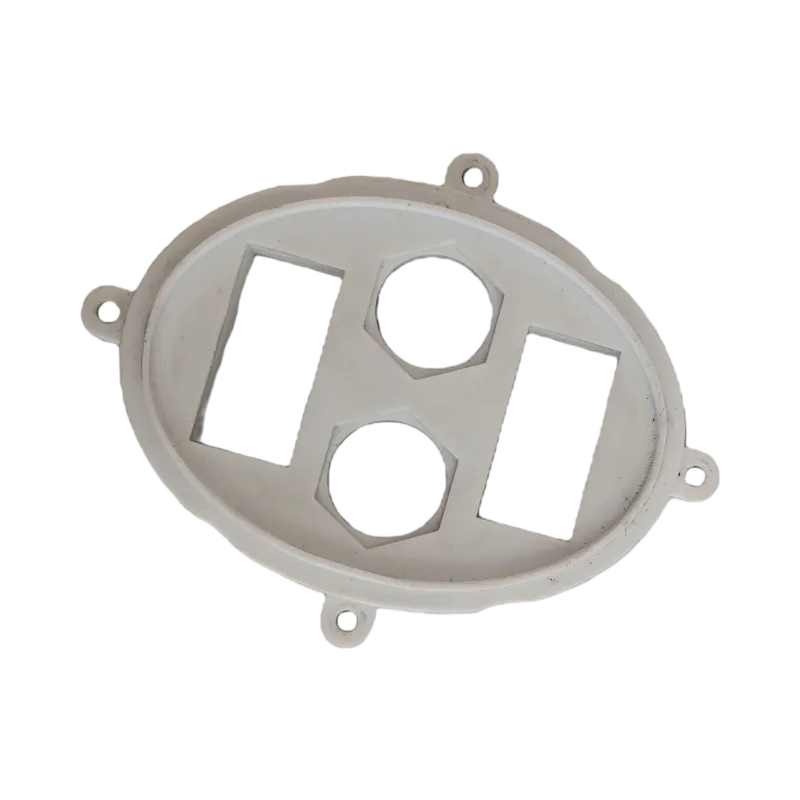
Machined Sensor Housing

Resistor Stretch-Formed Housing

Machined Parts

Machining of Copper Parts

Contact Us
Contact Us
Contact Us
Contact Us

Upload

Upload drawings for a quote

Your documents are strictly confidential

Upload

Confirm

Delivery